
Polyvinyl Chloride Market Forecast: Future Projections and Opportunities
Polyvinyl Chloride: Exploring the Prevalence of Polyethylene Terephthalate in Our Daily Lives
What is PVC?
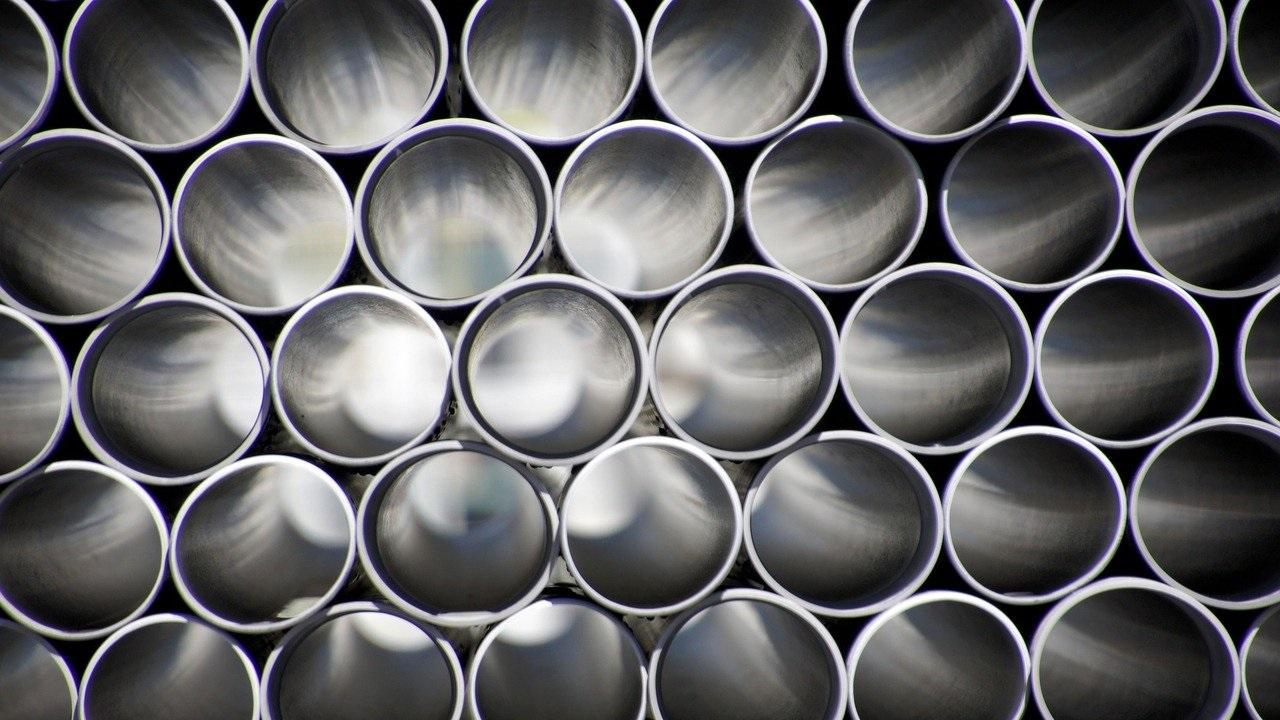
Polyvinyl chloride, commonly abbreviated as PVC, is a thermoplastic polymer. It is the third most widely produced polymer after polyethylene and polypropylene. PVC has a wide range of applications in construction materials, toys, pipes, wires, medical devices, and more due to its low production cost, workability, and resistance to corrosion.
Chemical Structure and Properties of PVC
PVC is formed by the polymerization of vinyl chloride monomer. The chemical structure of PVC consists of carbon, hydrogen, and chlorine atoms. It is a linear polymer with alternate single and double carbon-chlorine bonds. This molecular structure gives PVC its characteristic properties. PVC is a hard, stiff material with high tensile strength and excellent electrical insulation. It becomes flexible and pliable at higher temperatures but reverts to its original form when cooled. PVC is also noted for being lightweight, easy to work with, and offers good resistance to corrosion from acids, alkalis, and oil. Its toughness and durability make it suitable for a diverse set of applications.
Production Process for PVC
The production of PVC involves a two-step process - manufacture of vinyl chloride monomer (VCM) followed by polymerization of VCM into PVC polymer. In the first step, ethylene or acetylene is reacted with hydrogen chloride gas in the presence of a catalyst to produce VCM. In the second step, VCM undergoes polymerization either by suspension polymerization or emulsion polymerization methods to form PVC resin. The PVC resin is then compounded with additives, stabilizers, and fillers before processing into finished products. The worldwide production of PVC stands at over 40 million tons annually.
Polyvinyl Chloride Market Forecast: Future Projections and Opportunities
Polyvinyl Chloride: Exploring the Prevalence of Polyethylene Terephthalate in Our Daily Lives
What is PVC?
Polyvinyl chloride, commonly abbreviated as PVC, is a thermoplastic polymer. It is the third most widely produced polymer after polyethylene and polypropylene. PVC has a wide range of applications in construction materials, toys, pipes, wires, medical devices, and more due to its low production cost, workability, and resistance to corrosion.
Chemical Structure and Properties of PVC
PVC is formed by the polymerization of vinyl chloride monomer. The chemical structure of PVC consists of carbon, hydrogen, and chlorine atoms. It is a linear polymer with alternate single and double carbon-chlorine bonds. This molecular structure gives PVC its characteristic properties. PVC is a hard, stiff material with high tensile strength and excellent electrical insulation. It becomes flexible and pliable at higher temperatures but reverts to its original form when cooled. PVC is also noted for being lightweight, easy to work with, and offers good resistance to corrosion from acids, alkalis, and oil. Its toughness and durability make it suitable for a diverse set of applications.
Production Process for PVC
The production of PVC involves a two-step process - manufacture of vinyl chloride monomer (VCM) followed by polymerization of VCM into PVC polymer. In the first step, ethylene or acetylene is reacted with hydrogen chloride gas in the presence of a catalyst to produce VCM. In the second step, VCM undergoes polymerization either by suspension polymerization or emulsion polymerization methods to form PVC resin. The PVC resin is then compounded with additives, stabilizers, and fillers before processing into finished products. The worldwide production of PVC stands at over 40 million tons annually.
0 Comments
0 Shares