

- Male
- Followed by 2 people
Recent Updates
- Rust Lubricant Market Analysis: Addressing Industrial Maintenance Needs
Rust Lubricant: Innovative Approach Unveiled to Combat Corrosion A Promising Solution for Durability
Introduction to Rust and Corrosion
Rust is a form of corrosion that forms on iron and iron-based alloys like steel when they come into contact with oxygen, usually in the presence of water or air moisture. It is a natural process where the iron atoms in the material react with oxygen to form iron oxide, which appears red-brown in color. Unchecked rusting can lead to severe material deterioration over time. To protect iron and steel surfaces from corrosion damage, it is important to apply suitable rust prevention products like oxidize lubricants.
Types of Oxidize Lubricants
There are different types of oxidize lubricants available in the market depending on their formulation and method of application:
- Penetrating Lubricants: These are thin, liquid lubricants that can seep deep into confined spaces to disperse moisture and oxygen. They contain oils and corrosion inhibitors to form a protective barrier. Commonly used for areas difficult to reach.
- Grease Lubricants: Thick, grease-like consistency makes them ideal for covering large surface areas. They form a durable moisture seal and have corrosion fighting additives suspended in a greasy base. Suitable for outdoor metal structures.
- Film Lubricants: Dry quickly to leave behind a continuous, microscopic lubricating film over metal. The non-greasy formula does not collect dust or dirt. Used extensively in automotive, industrial and household applications.
- Trigger Spray Lubricants: Convenient spray cans containing rustfighting oil or grease solutions. Allow for targeted, even application on small or detailed components. Used for tools, hardware, equipment etc.
How Oxidize Lubricants Work
Oxidize lubricants work through various mechanisms to provide long-term rust protection:
- Displacement Action: Thin lubricants penetrate deep and displace moisture trapped inside corners and joints. This removes water which is necessary for corrosion.
- Barrier Formation: All types leave behind an oily or greasy coating that blocks oxygen and moisture from reaching the metal surface. Some contain volatile solvents that flash off, leaving a dry protective film.
- Corrosion Inhibition: Special chemical additives like petroleum sulfonates, phosphates bind to the metal and form an invisible passive layer. This stops electrolytic corrosion reactions.
- Lubrication: Moving parts are lubricated, reducing friction between metal surfaces in constant relative outward motion. This prevents abrasive wear that can expose fresh metal to corrosion.
Common Applications of Oxidize Lubricants
Due to their versatility and effectiveness, oxidize lubricants find application across many industries:
- Automotive: Engines, joints, linkages, brake assemblies, batteries, spare parts in long term storage. Key usage in temperate and humid climates.
- Marine: Boat engines, trailers, anchors, locks and mechanical components exposed to sea air and spray. Vital for equipment reliability.
- Industrial Machinery: Motors, gears, assemblies, structural steel, piping and equipment subjected to damp environments in various plants.
- DIY and Tools: Protect appliances, hardware, workshop items, bicycles, ladders from decay during periods of disuse or seasonal storage.
- Infrastructure: Bridges, understructures, street furniture, railings in coastal zones requiring rustproof coatings to extend lifespan.
- Firearms: Mechanisms, gun metal parts prone to rusting if improperly stored or used in wet conditions require thorough lubrication.
Key Benefits of Using Rust Lubricants
Some of the main advantages that make oxidize lubricants a smart choice for corrosion control include:
- Long-Lasting Protection: When reapplied periodically, they provide defense for months or even years depending on conditions.
- Multi-Purpose Usage: Suitable for entire metal components, portions or confined spaces, depending on type used.
- Cost-Effectiveness: Minimize future repair costs compared to fullscale treatment after advanced corrosion damage appears.
- Energy Conservation: Preserve functionality of machinery and infrastructure, avoiding replacement energy.
- Environmental Friendliness: Many have low VOC emissions and are ultimately non-toxic when fully cured to treated metal surfaces.
- Easy Application: Sprays, pumps or brushes apply thin coatings quickly even to hard-to-reach spots without disassembly.
- Durability: Withstand weathering and abrasive stresses better than temporary rust removal solutions.
Rust Lubricant Market Analysis: Addressing Industrial Maintenance Needs Rust Lubricant: Innovative Approach Unveiled to Combat Corrosion A Promising Solution for Durability Introduction to Rust and Corrosion Rust is a form of corrosion that forms on iron and iron-based alloys like steel when they come into contact with oxygen, usually in the presence of water or air moisture. It is a natural process where the iron atoms in the material react with oxygen to form iron oxide, which appears red-brown in color. Unchecked rusting can lead to severe material deterioration over time. To protect iron and steel surfaces from corrosion damage, it is important to apply suitable rust prevention products like oxidize lubricants. Types of Oxidize Lubricants There are different types of oxidize lubricants available in the market depending on their formulation and method of application: - Penetrating Lubricants: These are thin, liquid lubricants that can seep deep into confined spaces to disperse moisture and oxygen. They contain oils and corrosion inhibitors to form a protective barrier. Commonly used for areas difficult to reach. - Grease Lubricants: Thick, grease-like consistency makes them ideal for covering large surface areas. They form a durable moisture seal and have corrosion fighting additives suspended in a greasy base. Suitable for outdoor metal structures. - Film Lubricants: Dry quickly to leave behind a continuous, microscopic lubricating film over metal. The non-greasy formula does not collect dust or dirt. Used extensively in automotive, industrial and household applications. - Trigger Spray Lubricants: Convenient spray cans containing rustfighting oil or grease solutions. Allow for targeted, even application on small or detailed components. Used for tools, hardware, equipment etc. How Oxidize Lubricants Work Oxidize lubricants work through various mechanisms to provide long-term rust protection: - Displacement Action: Thin lubricants penetrate deep and displace moisture trapped inside corners and joints. This removes water which is necessary for corrosion. - Barrier Formation: All types leave behind an oily or greasy coating that blocks oxygen and moisture from reaching the metal surface. Some contain volatile solvents that flash off, leaving a dry protective film. - Corrosion Inhibition: Special chemical additives like petroleum sulfonates, phosphates bind to the metal and form an invisible passive layer. This stops electrolytic corrosion reactions. - Lubrication: Moving parts are lubricated, reducing friction between metal surfaces in constant relative outward motion. This prevents abrasive wear that can expose fresh metal to corrosion. Common Applications of Oxidize Lubricants Due to their versatility and effectiveness, oxidize lubricants find application across many industries: - Automotive: Engines, joints, linkages, brake assemblies, batteries, spare parts in long term storage. Key usage in temperate and humid climates. - Marine: Boat engines, trailers, anchors, locks and mechanical components exposed to sea air and spray. Vital for equipment reliability. - Industrial Machinery: Motors, gears, assemblies, structural steel, piping and equipment subjected to damp environments in various plants. - DIY and Tools: Protect appliances, hardware, workshop items, bicycles, ladders from decay during periods of disuse or seasonal storage. - Infrastructure: Bridges, understructures, street furniture, railings in coastal zones requiring rustproof coatings to extend lifespan. - Firearms: Mechanisms, gun metal parts prone to rusting if improperly stored or used in wet conditions require thorough lubrication. Key Benefits of Using Rust Lubricants Some of the main advantages that make oxidize lubricants a smart choice for corrosion control include: - Long-Lasting Protection: When reapplied periodically, they provide defense for months or even years depending on conditions. - Multi-Purpose Usage: Suitable for entire metal components, portions or confined spaces, depending on type used. - Cost-Effectiveness: Minimize future repair costs compared to fullscale treatment after advanced corrosion damage appears. - Energy Conservation: Preserve functionality of machinery and infrastructure, avoiding replacement energy. - Environmental Friendliness: Many have low VOC emissions and are ultimately non-toxic when fully cured to treated metal surfaces. - Easy Application: Sprays, pumps or brushes apply thin coatings quickly even to hard-to-reach spots without disassembly. - Durability: Withstand weathering and abrasive stresses better than temporary rust removal solutions. 0 Comments 0 Shares
- Rigid Packaging Market Analysis: Navigating the Future Landscape
Rigid Packaging: A Sustainable Solution for Product Protection and Distribution
Introduction to Stiff Packaging
Rigid Packaging refers to packaging formats that hold their shape independently without needing containment or support. Some common examples of Stiff Packaging are bottles, jars, cans, boxes, cartons, trays, containers and tubes. Stiff Packaging provides protection to products from external factors like moisture, pressure, breakage during transportation and storage.
Growth of Stiff Packaging Industry
The Stiff Packaging industry has seen considerable growth over the past few years driven by increasing demand from food and beverage sector. According to a recent report, the global Stiff Packaging market size is projected to grow at a CAGR of around 5% during 2020-2025. The growth can be attributed to rising consumption of packaged foods and drinks owing to changing consumer lifestyles. Stiff Packaging offers advantages like tamper proofing and shelf-appeal which promotes brand recognition and repeat purchases for manufacturers.
Materials Used in Stiff Packaging
Major materials used for manufacturing Stiff Packaging include plastic, metal, glass and wood.
Plastic Stiff Packaging like PET bottles, HDPE containers and PP cartons have gained popularity due to lightweight, shatter resistance and moisture barrier properties. Plastics account for around 40% of the overall Stiff Packaging market share.
Metals commonly used are steel and aluminum. Metal cans and aseptic cartons containing aluminum foil provide excellent barrier protection against gases, moisture and microbial contamination. This makes them suitable for packaging beers, juices and milk.
Glass is a viable option for premium packaging of alcoholic beverages, olive oil, vinegar and sauces owing to its chemical inertness and transparency. Though fragile, glass provides a premium image and feeling of authenticity.
Wood finds application in crates and pallets used for transporting and displaying bulk packaged goods. It provides natural insulation and is 100% biodegradable and renewable.
Sustainability Advantages of Stiff Packaging
Apart from product protection, Stiff Packaging offers various sustainability benefits:
Reusability and Recyclability: Rigid containers like glass bottles, metal cans and plastic bottles/cartons are designed for multiple reuse and trips. They also have established recycling streams in most countries with high collection and sorting rates.
Reduced Waste: Stiff Packaging eliminates the need for additional layers of wrapping or cushioning typically required with fragile loose products or flexible pouches. This minimizes material usage and waste generation.
Lightweighting: Rigid container manufacturers continuously focus on optimizing packaging weight and dimensions without compromising strength and functionality. This lightweighting saves material, optimize transportation efficiency and reduces carbon footprint.
Extended Shelf Life: Materials like glass, metals and rigid plastics provide superior moisture, oxygen and gas barrier compared to flexible films. This allows rigid packages to maintain product freshness for longer on shelf without preservatives.
Efficient Distribution: Rigid boxes, crates and intermediate bulk containers (IBCs) provide safe, stable and efficient transport of bulk products over long distances through all modes. Compared to loose handling, this saves time, resources and generate less damage/wastage.
Thus, Stiff Packaging presents a sustainable solution to satisfy all stakeholders in the packaging value chain from brand owners to consumers to waste management ecosystem.
Applications of Stiff Packaging in Key Sectors
Given below are some major sectors utilizing Stiff Packaging solutions:
Food Industry: Canned foods, bottled beverages, dairy products, frozen foods, sauces, condiments, oils etc rely extensively on glass jars, metal cans and plastic bottles for shelf stable packaging.
Consumer Goods: Homecare, personal care and other consumer good brands depend on rigid plastic tubes, bottles, jars, containers to package products like shampoo, cosmetics, cleaners etc.
Pharmaceuticals: Rigid plastic bottles and glass vials/ampoules are mainly used for over the counter and prescription drug packaging citing tamper evidence, chemical resistance and moisture barrier requirements.
Industrial Goods: Metal drums, pails and rigid IBCs facilitate bulk packaging, storage and transportation of industrial chemicals,
In conclusion, rigid packaging will continue fulfilling its integral product protection function across industries through constant innovations. With sustainable approach and collaborative efforts, it presents an eco-friendly solution for product security and distribution needs of modern supply chains.Rigid Packaging Market Analysis: Navigating the Future Landscape Rigid Packaging: A Sustainable Solution for Product Protection and Distribution Introduction to Stiff Packaging Rigid Packaging refers to packaging formats that hold their shape independently without needing containment or support. Some common examples of Stiff Packaging are bottles, jars, cans, boxes, cartons, trays, containers and tubes. Stiff Packaging provides protection to products from external factors like moisture, pressure, breakage during transportation and storage. Growth of Stiff Packaging Industry The Stiff Packaging industry has seen considerable growth over the past few years driven by increasing demand from food and beverage sector. According to a recent report, the global Stiff Packaging market size is projected to grow at a CAGR of around 5% during 2020-2025. The growth can be attributed to rising consumption of packaged foods and drinks owing to changing consumer lifestyles. Stiff Packaging offers advantages like tamper proofing and shelf-appeal which promotes brand recognition and repeat purchases for manufacturers. Materials Used in Stiff Packaging Major materials used for manufacturing Stiff Packaging include plastic, metal, glass and wood. Plastic Stiff Packaging like PET bottles, HDPE containers and PP cartons have gained popularity due to lightweight, shatter resistance and moisture barrier properties. Plastics account for around 40% of the overall Stiff Packaging market share. Metals commonly used are steel and aluminum. Metal cans and aseptic cartons containing aluminum foil provide excellent barrier protection against gases, moisture and microbial contamination. This makes them suitable for packaging beers, juices and milk. Glass is a viable option for premium packaging of alcoholic beverages, olive oil, vinegar and sauces owing to its chemical inertness and transparency. Though fragile, glass provides a premium image and feeling of authenticity. Wood finds application in crates and pallets used for transporting and displaying bulk packaged goods. It provides natural insulation and is 100% biodegradable and renewable. Sustainability Advantages of Stiff Packaging Apart from product protection, Stiff Packaging offers various sustainability benefits: Reusability and Recyclability: Rigid containers like glass bottles, metal cans and plastic bottles/cartons are designed for multiple reuse and trips. They also have established recycling streams in most countries with high collection and sorting rates. Reduced Waste: Stiff Packaging eliminates the need for additional layers of wrapping or cushioning typically required with fragile loose products or flexible pouches. This minimizes material usage and waste generation. Lightweighting: Rigid container manufacturers continuously focus on optimizing packaging weight and dimensions without compromising strength and functionality. This lightweighting saves material, optimize transportation efficiency and reduces carbon footprint. Extended Shelf Life: Materials like glass, metals and rigid plastics provide superior moisture, oxygen and gas barrier compared to flexible films. This allows rigid packages to maintain product freshness for longer on shelf without preservatives. Efficient Distribution: Rigid boxes, crates and intermediate bulk containers (IBCs) provide safe, stable and efficient transport of bulk products over long distances through all modes. Compared to loose handling, this saves time, resources and generate less damage/wastage. Thus, Stiff Packaging presents a sustainable solution to satisfy all stakeholders in the packaging value chain from brand owners to consumers to waste management ecosystem. Applications of Stiff Packaging in Key Sectors Given below are some major sectors utilizing Stiff Packaging solutions: Food Industry: Canned foods, bottled beverages, dairy products, frozen foods, sauces, condiments, oils etc rely extensively on glass jars, metal cans and plastic bottles for shelf stable packaging. Consumer Goods: Homecare, personal care and other consumer good brands depend on rigid plastic tubes, bottles, jars, containers to package products like shampoo, cosmetics, cleaners etc. Pharmaceuticals: Rigid plastic bottles and glass vials/ampoules are mainly used for over the counter and prescription drug packaging citing tamper evidence, chemical resistance and moisture barrier requirements. Industrial Goods: Metal drums, pails and rigid IBCs facilitate bulk packaging, storage and transportation of industrial chemicals, In conclusion, rigid packaging will continue fulfilling its integral product protection function across industries through constant innovations. With sustainable approach and collaborative efforts, it presents an eco-friendly solution for product security and distribution needs of modern supply chains. 0 Comments 0 Shares
- Exploring Emerging Opportunities in the Distributed Generation Market
Distributed Generation Market is Transforming the Power Sector through Increased Reliability and Sustainability
The distributed generation market is seeing growing adoption of decentralized power production technologies driven by an increasing demand for reliable and clean energy sources. Distributed generation involves electricity generation at or near the point of consumption from sources such as solar photovoltaic panels, wind turbines, reciprocating engines, gas turbines, fuel cells, and micro hydro plants. Advantages include reliability as the energy is produced locally reducing transmission losses and dependency on grid failures, sustainability as many options utilize renewable resources like solar and wind, lowered energy costs through offsetting consumption from the grid, and carbon emission reductions. The Global Distributed Generation Market is estimated to be valued at US$ 364.46 Billion in 2024 and is expected to exhibit a CAGR of 14% over the forecast period 2024 to 2031.
Key Takeaways
Key players operating in the distributed generation market include Siemens AG, General Electric, Schneider Electric SE, Mitsubishi Motors Corporation, Capstone, Activ Solar GmbH, Ballard Power Systems Inc., Fortis Wind Energy, GE Power & Water, Juwi Inc., Sharp Corporation, Cummins Inc., and Caterpillar Inc. Distributed generation solutions from these companies are seeing increasing adoption to meet the growing demand for reliable and low-cost energy across sectors like commercial, residential and industrial.
The demand for distributed generation is rising rapidly driven by factors such as need for continuous power supply, integration of renewable sources, backup during grid failures, carbon emission reduction goals of nations and enterprises, and cost benefits of decentralized energy production. Distributed energy resources are playing a critical complementary role to centralized power grids in meeting escalating electricity demand globally in a sustainable manner.
Major players are also expanding their distributed generation business globally, especially in regions with increasing clean energy targets such as Asia Pacific and Europe. Strategic partnerships and mergers and acquisitions are allowing companies to establish presence and offer customized localized solutions catering to different power requirements across global markets.
Market Key Trends
One of the key trends in the distributed generation market is the increasing focus on integrating renewable resources like solar and wind to produce clean and reliable off-grid power. Continuous technology advances are enabling greater efficiencies and control capabilities for distributed solar PV and wind systems. This is driving higher adoption of renewable distributed generation solutions globally. The proliferation of renewable distributed generation systems is expected to significantly reduce carbon emissions from the power sector in the coming years.
Porter’s Analysis
Threat of new entrants: The distributed generation market requires significant investment capital which makes it difficult for new players to enter the market. However, technological advancements are lowering entry barriers.
Bargaining power of buyers: Buyers have significant bargaining power due to the presence of many players providing similar products and services in the distributed generation market.
Bargaining power of suppliers: A few large players dominate the supply of critical components for distributed generation systems, giving them strong bargaining power over buyers.
Threat of new substitutes: Technological developments in energy storage are increasing the viability of renewable energy as a substitute for distributed generation sources.
Competitive rivalry: The distributed generation market consists of numerous global players and intense competition on factors like product quality, technical support, pricing and customized solutions.
Geographically, North America holds the largest share of the distributed generation market in terms of value due to supportive government policies and incentive programs driving growth in the region.
The Asia Pacific region is expected to grow the fastest in the distributed generation market during the forecast period. Rapid industrialization and urbanization along with rising energy demand in developing countries of the region such as China and India are contributing to the market growth. Supportive renewable energy targets and investments by governments will further support distributed generation adoption in Asia Pacific.Exploring Emerging Opportunities in the Distributed Generation Market Distributed Generation Market is Transforming the Power Sector through Increased Reliability and Sustainability The distributed generation market is seeing growing adoption of decentralized power production technologies driven by an increasing demand for reliable and clean energy sources. Distributed generation involves electricity generation at or near the point of consumption from sources such as solar photovoltaic panels, wind turbines, reciprocating engines, gas turbines, fuel cells, and micro hydro plants. Advantages include reliability as the energy is produced locally reducing transmission losses and dependency on grid failures, sustainability as many options utilize renewable resources like solar and wind, lowered energy costs through offsetting consumption from the grid, and carbon emission reductions. The Global Distributed Generation Market is estimated to be valued at US$ 364.46 Billion in 2024 and is expected to exhibit a CAGR of 14% over the forecast period 2024 to 2031. Key Takeaways Key players operating in the distributed generation market include Siemens AG, General Electric, Schneider Electric SE, Mitsubishi Motors Corporation, Capstone, Activ Solar GmbH, Ballard Power Systems Inc., Fortis Wind Energy, GE Power & Water, Juwi Inc., Sharp Corporation, Cummins Inc., and Caterpillar Inc. Distributed generation solutions from these companies are seeing increasing adoption to meet the growing demand for reliable and low-cost energy across sectors like commercial, residential and industrial. The demand for distributed generation is rising rapidly driven by factors such as need for continuous power supply, integration of renewable sources, backup during grid failures, carbon emission reduction goals of nations and enterprises, and cost benefits of decentralized energy production. Distributed energy resources are playing a critical complementary role to centralized power grids in meeting escalating electricity demand globally in a sustainable manner. Major players are also expanding their distributed generation business globally, especially in regions with increasing clean energy targets such as Asia Pacific and Europe. Strategic partnerships and mergers and acquisitions are allowing companies to establish presence and offer customized localized solutions catering to different power requirements across global markets. Market Key Trends One of the key trends in the distributed generation market is the increasing focus on integrating renewable resources like solar and wind to produce clean and reliable off-grid power. Continuous technology advances are enabling greater efficiencies and control capabilities for distributed solar PV and wind systems. This is driving higher adoption of renewable distributed generation solutions globally. The proliferation of renewable distributed generation systems is expected to significantly reduce carbon emissions from the power sector in the coming years. Porter’s Analysis Threat of new entrants: The distributed generation market requires significant investment capital which makes it difficult for new players to enter the market. However, technological advancements are lowering entry barriers. Bargaining power of buyers: Buyers have significant bargaining power due to the presence of many players providing similar products and services in the distributed generation market. Bargaining power of suppliers: A few large players dominate the supply of critical components for distributed generation systems, giving them strong bargaining power over buyers. Threat of new substitutes: Technological developments in energy storage are increasing the viability of renewable energy as a substitute for distributed generation sources. Competitive rivalry: The distributed generation market consists of numerous global players and intense competition on factors like product quality, technical support, pricing and customized solutions. Geographically, North America holds the largest share of the distributed generation market in terms of value due to supportive government policies and incentive programs driving growth in the region. The Asia Pacific region is expected to grow the fastest in the distributed generation market during the forecast period. Rapid industrialization and urbanization along with rising energy demand in developing countries of the region such as China and India are contributing to the market growth. Supportive renewable energy targets and investments by governments will further support distributed generation adoption in Asia Pacific. 0 Comments 0 Shares
- Exploring Emerging Disinfectants Market Opportunities
Disinfectants Market is in Trends by Sustainable Production Practices
The global disinfectants market consists of various cleaning agents that help eliminate or inhibit the growth of microorganisms on inanimate surfaces. Disinfectants are widely used for sterilizing hospital equipment, disinfecting surfaces in public places, sanitize kitchen countertops, and clean bathrooms. They play a crucial role in killing bacteria and preventing the spread of infectious diseases. Common disinfectants include alcohol, bleach, hydrogen peroxide, quaternary ammonium compounds, benzoic acid, and triclosan. These cleaning products provide protection against germs without harming the environment.
The Global Disinfectants Market is estimated to be valued at US$ 49.0 Bn in 2024 and is expected to exhibit a CAGR of 6.0% over the forecast period 2023 to 2030. Key players operating in the disinfectants market are Solvay S.A., Unilever Group, Evonik Industries AG, 3M Company, Procter & Gamble Corporation, dowdupont Inc., Lanxess AG, BASF S.E., The Clorox Company, and Reckitt Benckiser Plc.
Key Takeaways
Key players operating in the disinfectants are Solvay S.A., Unilever Group, Evonik Industries AG, 3M Company, Procter & Gamble Corporation, dowdupont Inc., Lanxess AG, BASF S.E., The Clorox Company, and Reckitt Benckiser Plc. These major companies are focusing on sustainable production methods to minimize environmental footprint.
The demand for disinfectants is growing rapidly due to increasing consumer awareness about hygiene and ongoing COVID-19 pandemic. Frequent use of cleaning agents in households, industries, and commercial spaces is driving the market growth.
Globally, the disinfectants market is expanding in developing regions owing to rising consumer spending, rapid urbanization, and improving access to healthcare facilities. Major players are investing in Asia Pacific and Latin American markets to capitalize on high growth opportunities.
Market Key Trends
One of the key trends gaining traction in the disinfectants market is the development of bio-based and plant-derived formulations. Major players are investing in R&D activities to manufacture sustainable cleaning products from natural ingredients like citric acid, essential oils, and aloe extracts. These eco-friendly alternatives provide effective disinfection without releasing toxic chemicals into the environment. Their growing popularity is expected to shape the future of the industry.
Porter's Analysis
Threat of new entrants: High capital requirements and efficiency barriers make it difficult for new brands to enter the market. Bargaining power of buyers: Large buyers can negotiate lower prices, especially for commodity disinfectants. Bargaining power of suppliers: Suppliers of disinfectant raw materials have some pricing power due to the specialized nature of inputs. Threat of new substitutes: New substitute products that are safer or more environment-friendly pose some threat. Competitive rivalry: Large industry players compete aggressively on brand image, pricing, and product innovations.
Geographical Regions
North America currently holds the highest value share in the global disinfectants market due to stringent hygiene regulations and widespread awareness. Developed countries in Europe also account for a major portion of global market value.
The Asia Pacific region is expected to witness the fastest growth during the forecast period. Rapid urbanization, growing middle class, and rising awareness about health and hygiene are driving increased demand for disinfectants in India and other developing Asian countries.Exploring Emerging Disinfectants Market Opportunities Disinfectants Market is in Trends by Sustainable Production Practices The global disinfectants market consists of various cleaning agents that help eliminate or inhibit the growth of microorganisms on inanimate surfaces. Disinfectants are widely used for sterilizing hospital equipment, disinfecting surfaces in public places, sanitize kitchen countertops, and clean bathrooms. They play a crucial role in killing bacteria and preventing the spread of infectious diseases. Common disinfectants include alcohol, bleach, hydrogen peroxide, quaternary ammonium compounds, benzoic acid, and triclosan. These cleaning products provide protection against germs without harming the environment. The Global Disinfectants Market is estimated to be valued at US$ 49.0 Bn in 2024 and is expected to exhibit a CAGR of 6.0% over the forecast period 2023 to 2030. Key players operating in the disinfectants market are Solvay S.A., Unilever Group, Evonik Industries AG, 3M Company, Procter & Gamble Corporation, dowdupont Inc., Lanxess AG, BASF S.E., The Clorox Company, and Reckitt Benckiser Plc. Key Takeaways Key players operating in the disinfectants are Solvay S.A., Unilever Group, Evonik Industries AG, 3M Company, Procter & Gamble Corporation, dowdupont Inc., Lanxess AG, BASF S.E., The Clorox Company, and Reckitt Benckiser Plc. These major companies are focusing on sustainable production methods to minimize environmental footprint. The demand for disinfectants is growing rapidly due to increasing consumer awareness about hygiene and ongoing COVID-19 pandemic. Frequent use of cleaning agents in households, industries, and commercial spaces is driving the market growth. Globally, the disinfectants market is expanding in developing regions owing to rising consumer spending, rapid urbanization, and improving access to healthcare facilities. Major players are investing in Asia Pacific and Latin American markets to capitalize on high growth opportunities. Market Key Trends One of the key trends gaining traction in the disinfectants market is the development of bio-based and plant-derived formulations. Major players are investing in R&D activities to manufacture sustainable cleaning products from natural ingredients like citric acid, essential oils, and aloe extracts. These eco-friendly alternatives provide effective disinfection without releasing toxic chemicals into the environment. Their growing popularity is expected to shape the future of the industry. Porter's Analysis Threat of new entrants: High capital requirements and efficiency barriers make it difficult for new brands to enter the market. Bargaining power of buyers: Large buyers can negotiate lower prices, especially for commodity disinfectants. Bargaining power of suppliers: Suppliers of disinfectant raw materials have some pricing power due to the specialized nature of inputs. Threat of new substitutes: New substitute products that are safer or more environment-friendly pose some threat. Competitive rivalry: Large industry players compete aggressively on brand image, pricing, and product innovations. Geographical Regions North America currently holds the highest value share in the global disinfectants market due to stringent hygiene regulations and widespread awareness. Developed countries in Europe also account for a major portion of global market value. The Asia Pacific region is expected to witness the fastest growth during the forecast period. Rapid urbanization, growing middle class, and rising awareness about health and hygiene are driving increased demand for disinfectants in India and other developing Asian countries. 0 Comments 0 Shares
- Anti-acne Cosmetics Market: Unveiling Clear Complexions
Rise of Anti Corrosion Coatings Market As Infrastructure Modernization Gains Pace
The anti corrosion coatings market is in trends by increasing infrastructure modernization projects across various industries. Anti corrosion coatings provide protection to materials and infrastructure from oxidation and damage caused by various environmental conditions. These coatings form an invisible shield on metal surfaces, prolonging the life of materials and structures. They find extensive application in oil & gas, marine, power generation and construction industries due to their corrosion resistance and durability properties.
The global anti corrosion coatings market is estimated to be valued at US$ 46.90 billion in 2024 and is expected to exhibit a CAGR of 3.8% over the forecast period from 2023 to 2030.
Key players operating in the anti corrosion coatings market are BASF, Ashland Inc., Nippon Paint Co. Ltd., AkzoNobel N.V., Jotun A/S, Axalta Coating System Ltd., The Sherwin-Williams Company, Kansai Paints Co. Ltd., PPG Industries Inc. and Hempel A/S. These companies capture a significant share of the market owing to their broad product portfolio and extensive distribution networks across major countries.
The growing demand from infrastructure, oil & gas and construction industries is projected to drive the anti corrosion coatings market substantially over the forecast period. Rapid urbanization and investments in infrastructure development projects especially in Asia Pacific are increasing the demand for anti corrosion protection coatings. The rising offshore and onshore oil & gas activities are further augmenting the consumption of these coatings.Anti-acne Cosmetics Market: Unveiling Clear Complexions Rise of Anti Corrosion Coatings Market As Infrastructure Modernization Gains Pace The anti corrosion coatings market is in trends by increasing infrastructure modernization projects across various industries. Anti corrosion coatings provide protection to materials and infrastructure from oxidation and damage caused by various environmental conditions. These coatings form an invisible shield on metal surfaces, prolonging the life of materials and structures. They find extensive application in oil & gas, marine, power generation and construction industries due to their corrosion resistance and durability properties. The global anti corrosion coatings market is estimated to be valued at US$ 46.90 billion in 2024 and is expected to exhibit a CAGR of 3.8% over the forecast period from 2023 to 2030. Key players operating in the anti corrosion coatings market are BASF, Ashland Inc., Nippon Paint Co. Ltd., AkzoNobel N.V., Jotun A/S, Axalta Coating System Ltd., The Sherwin-Williams Company, Kansai Paints Co. Ltd., PPG Industries Inc. and Hempel A/S. These companies capture a significant share of the market owing to their broad product portfolio and extensive distribution networks across major countries. The growing demand from infrastructure, oil & gas and construction industries is projected to drive the anti corrosion coatings market substantially over the forecast period. Rapid urbanization and investments in infrastructure development projects especially in Asia Pacific are increasing the demand for anti corrosion protection coatings. The rising offshore and onshore oil & gas activities are further augmenting the consumption of these coatings. 0 Comments 0 Shares
- Anti-Corrosion Coatings Market: Fortifying Metal Surfaces
Rise of Anti Corrosion Coatings Market As Infrastructure Modernization Gains Pace
The anti corrosion coatings market is in trends by increasing infrastructure modernization projects across various industries. Anti corrosion coatings provide protection to materials and infrastructure from oxidation and damage caused by various environmental conditions. These coatings form an invisible shield on metal surfaces, prolonging the life of materials and structures. They find extensive application in oil & gas, marine, power generation and construction industries due to their corrosion resistance and durability properties.
The global anti corrosion coatings market is estimated to be valued at US$ 46.90 billion in 2024 and is expected to exhibit a CAGR of 3.8% over the forecast period from 2023 to 2030.
Key players operating in the anti corrosion coatings market are BASF, Ashland Inc., Nippon Paint Co. Ltd., AkzoNobel N.V., Jotun A/S, Axalta Coating System Ltd., The Sherwin-Williams Company, Kansai Paints Co. Ltd., PPG Industries Inc. and Hempel A/S. These companies capture a significant share of the market owing to their broad product portfolio and extensive distribution networks across major countries.
The growing demand from infrastructure, oil & gas and construction industries is projected to drive the anti corrosion coatings market substantially over the forecast period. Rapid urbanization and investments in infrastructure development projects especially in Asia Pacific are increasing the demand for anti corrosion protection coatings. The rising offshore and onshore oil & gas activities are further augmenting the consumption of these coatings.
Key players operating in the anti corrosion coatings market are expanding their global footprint by enhancing their production capacities and distribution channels across emerging nations. For instance, AkzoNobel strengthened its presence in Latin America by opening three new coating production facilities in Colombia and Brazil in 2022. PPG Industries also acquired specialty material firm Interpon for expanding in the metal pretreatment market.Anti-Corrosion Coatings Market: Fortifying Metal Surfaces Rise of Anti Corrosion Coatings Market As Infrastructure Modernization Gains Pace The anti corrosion coatings market is in trends by increasing infrastructure modernization projects across various industries. Anti corrosion coatings provide protection to materials and infrastructure from oxidation and damage caused by various environmental conditions. These coatings form an invisible shield on metal surfaces, prolonging the life of materials and structures. They find extensive application in oil & gas, marine, power generation and construction industries due to their corrosion resistance and durability properties. The global anti corrosion coatings market is estimated to be valued at US$ 46.90 billion in 2024 and is expected to exhibit a CAGR of 3.8% over the forecast period from 2023 to 2030. Key players operating in the anti corrosion coatings market are BASF, Ashland Inc., Nippon Paint Co. Ltd., AkzoNobel N.V., Jotun A/S, Axalta Coating System Ltd., The Sherwin-Williams Company, Kansai Paints Co. Ltd., PPG Industries Inc. and Hempel A/S. These companies capture a significant share of the market owing to their broad product portfolio and extensive distribution networks across major countries. The growing demand from infrastructure, oil & gas and construction industries is projected to drive the anti corrosion coatings market substantially over the forecast period. Rapid urbanization and investments in infrastructure development projects especially in Asia Pacific are increasing the demand for anti corrosion protection coatings. The rising offshore and onshore oil & gas activities are further augmenting the consumption of these coatings. Key players operating in the anti corrosion coatings market are expanding their global footprint by enhancing their production capacities and distribution channels across emerging nations. For instance, AkzoNobel strengthened its presence in Latin America by opening three new coating production facilities in Colombia and Brazil in 2022. PPG Industries also acquired specialty material firm Interpon for expanding in the metal pretreatment market. 0 Comments 0 Shares
- Exploring the Global Agrochemicals Market Landscape
The Agrochemicals Market is Pivoting Towards Sustainable Farming Practices
The agrochemicals market primarily consists of crop protection chemicals including herbicides, insecticides and fungicides that are used to maximize crop yields and quality. These chemicals play a vital role in boosting global food production. However, there is a growing need to transition towards more sustainable agricultural systems given environmental and health concerns related to excessive use of agrochemicals.
The Global Agrochemicals Market is estimated to be valued at US$ 81.27 Bn in 2024 and is expected to exhibit a CAGR of 6.2% over the forecast period 2023 to 2030.
Key Takeaways
Key players operating in the Agrochemicals market are ADAMA Ltd., Arysta Life Science, Bayer AG, Isagro Spa, K+S Aktiengesellschaft, Nufarm, Nutrien Ltd, OCI Nitrogen, Sociedad Quimica Y Minera De Chile, and The Mosaic Company among others.
Rising global population and the consequent need to increase agricultural outputs is fueling demand for agrochemicals. However, there is also a growing preference for organic and sustainable farming practices which could limit market growth to some extent.
Asia Pacific presently dominates the agrochemicals market owing to large cropland areas and rising incomes in the region which is driving higher pesticide and fertilizer use. However, companies are also expanding in Latin America and Africa driven by strong crop production growth prospects.
Exploring the Global Agrochemicals Market Landscape The Agrochemicals Market is Pivoting Towards Sustainable Farming Practices The agrochemicals market primarily consists of crop protection chemicals including herbicides, insecticides and fungicides that are used to maximize crop yields and quality. These chemicals play a vital role in boosting global food production. However, there is a growing need to transition towards more sustainable agricultural systems given environmental and health concerns related to excessive use of agrochemicals. The Global Agrochemicals Market is estimated to be valued at US$ 81.27 Bn in 2024 and is expected to exhibit a CAGR of 6.2% over the forecast period 2023 to 2030. Key Takeaways Key players operating in the Agrochemicals market are ADAMA Ltd., Arysta Life Science, Bayer AG, Isagro Spa, K+S Aktiengesellschaft, Nufarm, Nutrien Ltd, OCI Nitrogen, Sociedad Quimica Y Minera De Chile, and The Mosaic Company among others. Rising global population and the consequent need to increase agricultural outputs is fueling demand for agrochemicals. However, there is also a growing preference for organic and sustainable farming practices which could limit market growth to some extent. Asia Pacific presently dominates the agrochemicals market owing to large cropland areas and rising incomes in the region which is driving higher pesticide and fertilizer use. However, companies are also expanding in Latin America and Africa driven by strong crop production growth prospects.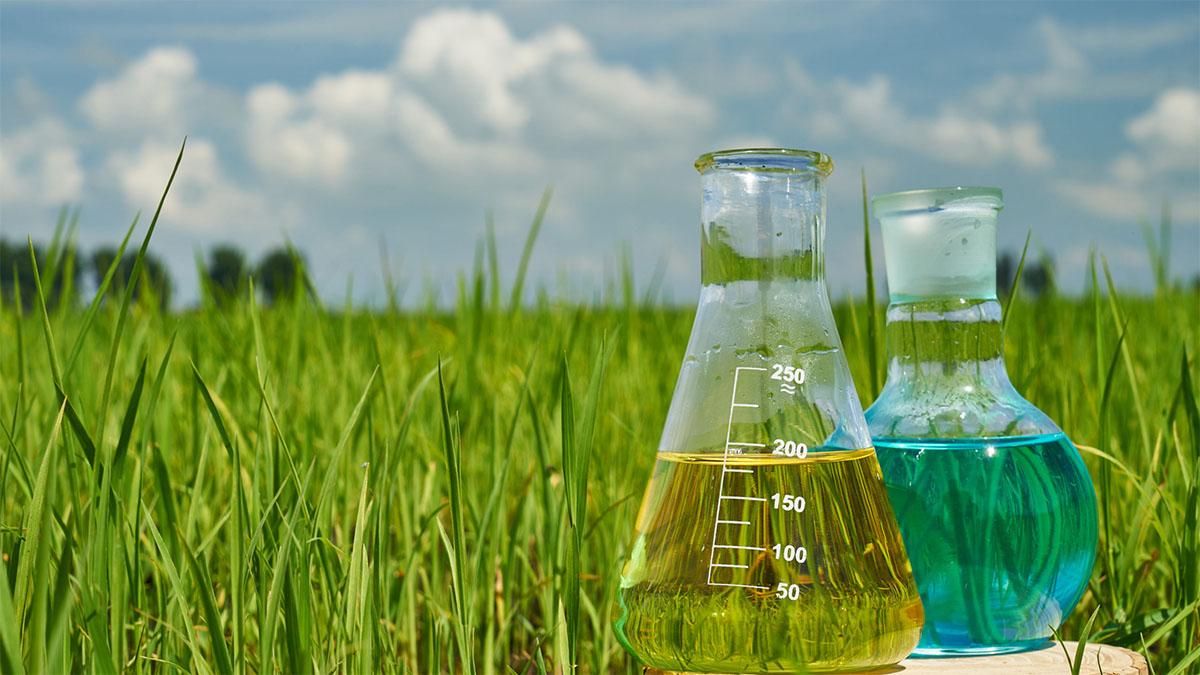 0 Comments 0 Shares
- Potash Market Specials: Nourishing Your Soil, Nurturing Your Plants
Potash Industry: Understanding the Essence of Potash and its Importance in Agriculture
Introduction to Potash
Potash is the common name for various potassium-containing salts and minerals, specifically those water-soluble salts containing potassium ions. Potassium is a mineral that is essential for humans, animals and plant growth. It helps in regulating the water balance inside the cells of a plant and activates various enzymes that are involved in photosynthesis, protein synthesis and starch formation. Plants need potassium to build strong cell walls, send sugars to different parts of the plant and tolerate environmental stress.
Uses of Potash in Agriculture
One of the main uses of potash is in agriculture as a fertilizer. Potassium is one of the three primary plant nutrients, along with nitrogen and phosphorus. Potash chemicals are enriching agriculture globally as they improve both crop quality and yield. Application of potash industry helps in:
- Increasing Crop Yields: Potash application significantly increases crop yield by 10-30% depending on the crop and soil type. It plays a key role in improving root growth, stem strength and disease resistance of plants.
- Improving Produce Quality: Potassium helps in improving the size, color, texture, taste and shelf life of produce. It enhances produce sugar levels and nutrient density. Crops like fruits, vegetables, potatoes and tobacco see significant quality benefits from potash application.
- Disease and Pest Resistance: Potash allows plants to better resist environmental stresses like drought, heat, frost and diseases. It improves protein synthesis and allocation within plants thereby enhancing their immunity.Potash Market Specials: Nourishing Your Soil, Nurturing Your Plants Potash Industry: Understanding the Essence of Potash and its Importance in Agriculture Introduction to Potash Potash is the common name for various potassium-containing salts and minerals, specifically those water-soluble salts containing potassium ions. Potassium is a mineral that is essential for humans, animals and plant growth. It helps in regulating the water balance inside the cells of a plant and activates various enzymes that are involved in photosynthesis, protein synthesis and starch formation. Plants need potassium to build strong cell walls, send sugars to different parts of the plant and tolerate environmental stress. Uses of Potash in Agriculture One of the main uses of potash is in agriculture as a fertilizer. Potassium is one of the three primary plant nutrients, along with nitrogen and phosphorus. Potash chemicals are enriching agriculture globally as they improve both crop quality and yield. Application of potash industry helps in: - Increasing Crop Yields: Potash application significantly increases crop yield by 10-30% depending on the crop and soil type. It plays a key role in improving root growth, stem strength and disease resistance of plants. - Improving Produce Quality: Potassium helps in improving the size, color, texture, taste and shelf life of produce. It enhances produce sugar levels and nutrient density. Crops like fruits, vegetables, potatoes and tobacco see significant quality benefits from potash application. - Disease and Pest Resistance: Potash allows plants to better resist environmental stresses like drought, heat, frost and diseases. It improves protein synthesis and allocation within plants thereby enhancing their immunity. 0 Comments 0 Shares
- Polyvinyl Chloride Market Forecast: Future Projections and Opportunities
Polyvinyl Chloride: Exploring the Prevalence of Polyethylene Terephthalate in Our Daily Lives
What is PVC?
Polyvinyl chloride, commonly abbreviated as PVC, is a thermoplastic polymer. It is the third most widely produced polymer after polyethylene and polypropylene. PVC has a wide range of applications in construction materials, toys, pipes, wires, medical devices, and more due to its low production cost, workability, and resistance to corrosion.
Chemical Structure and Properties of PVC
PVC is formed by the polymerization of vinyl chloride monomer. The chemical structure of PVC consists of carbon, hydrogen, and chlorine atoms. It is a linear polymer with alternate single and double carbon-chlorine bonds. This molecular structure gives PVC its characteristic properties. PVC is a hard, stiff material with high tensile strength and excellent electrical insulation. It becomes flexible and pliable at higher temperatures but reverts to its original form when cooled. PVC is also noted for being lightweight, easy to work with, and offers good resistance to corrosion from acids, alkalis, and oil. Its toughness and durability make it suitable for a diverse set of applications.
Production Process for PVC
The production of PVC involves a two-step process - manufacture of vinyl chloride monomer (VCM) followed by polymerization of VCM into PVC polymer. In the first step, ethylene or acetylene is reacted with hydrogen chloride gas in the presence of a catalyst to produce VCM. In the second step, VCM undergoes polymerization either by suspension polymerization or emulsion polymerization methods to form PVC resin. The PVC resin is then compounded with additives, stabilizers, and fillers before processing into finished products. The worldwide production of PVC stands at over 40 million tons annually.
Polyvinyl Chloride Market Forecast: Future Projections and Opportunities Polyvinyl Chloride: Exploring the Prevalence of Polyethylene Terephthalate in Our Daily Lives What is PVC? Polyvinyl chloride, commonly abbreviated as PVC, is a thermoplastic polymer. It is the third most widely produced polymer after polyethylene and polypropylene. PVC has a wide range of applications in construction materials, toys, pipes, wires, medical devices, and more due to its low production cost, workability, and resistance to corrosion. Chemical Structure and Properties of PVC PVC is formed by the polymerization of vinyl chloride monomer. The chemical structure of PVC consists of carbon, hydrogen, and chlorine atoms. It is a linear polymer with alternate single and double carbon-chlorine bonds. This molecular structure gives PVC its characteristic properties. PVC is a hard, stiff material with high tensile strength and excellent electrical insulation. It becomes flexible and pliable at higher temperatures but reverts to its original form when cooled. PVC is also noted for being lightweight, easy to work with, and offers good resistance to corrosion from acids, alkalis, and oil. Its toughness and durability make it suitable for a diverse set of applications. Production Process for PVC The production of PVC involves a two-step process - manufacture of vinyl chloride monomer (VCM) followed by polymerization of VCM into PVC polymer. In the first step, ethylene or acetylene is reacted with hydrogen chloride gas in the presence of a catalyst to produce VCM. In the second step, VCM undergoes polymerization either by suspension polymerization or emulsion polymerization methods to form PVC resin. The PVC resin is then compounded with additives, stabilizers, and fillers before processing into finished products. The worldwide production of PVC stands at over 40 million tons annually.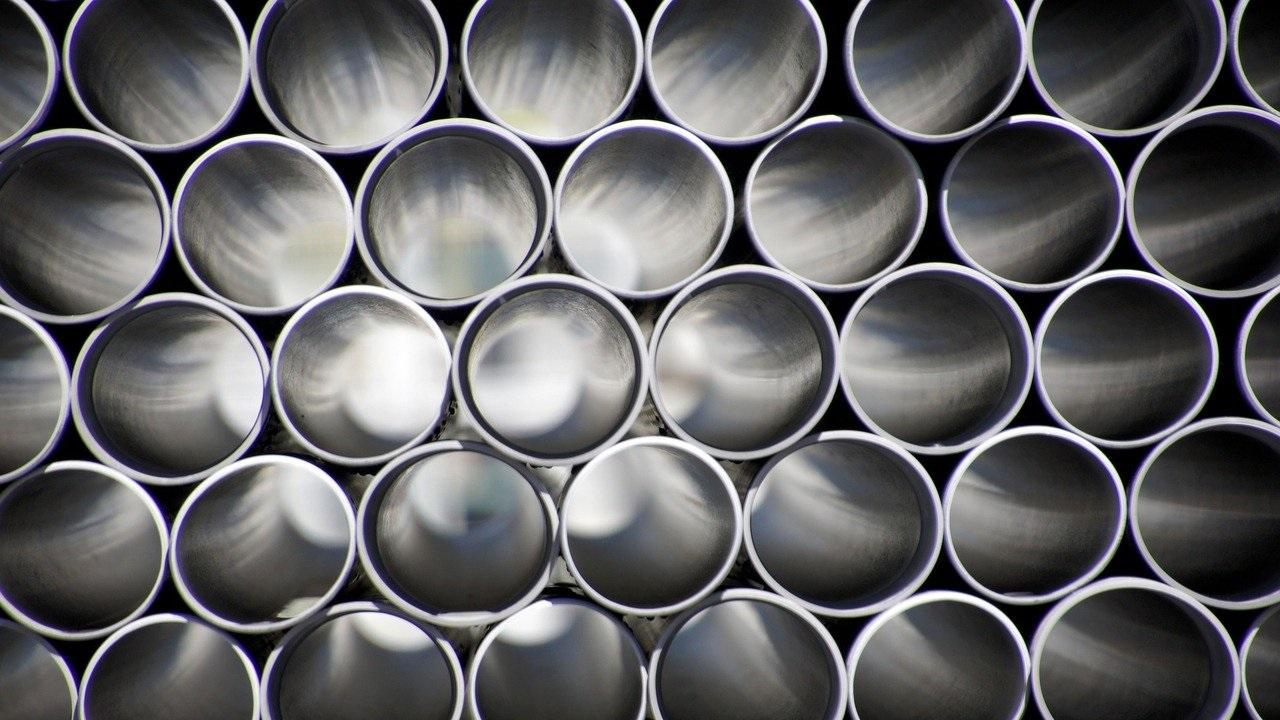 0 Comments 0 Shares
- Polyacrylamide Market Forecast: Future Projections and Opportunities
Polyacrylamide: A Versatile Synthetic Polymer Used in Various Industries and Applications
What is PAMs?
PAMs is a water-soluble non-ionic polymer made from acrylamide subunits through free-radical polymerization. It comes as a white water-soluble powder and has a chemical formula of (C3H5NO)n. Simply put, PAMs is a long-chain synthetic molecule made up by the polymerization of acrylamide monomers. PAMs is a highly water-absorbent substance and can retain up to 200-600 times its mass in water.
Uses of Polyacrylamide in Flocculation
One of the main uses of PAMs is in waste water treatment and mining via a process called flocculation. In flocculation, PAMs polymers are added to suspensions containing small suspended particles like sediments, algae, heavy metals etc. The long molecular chains of PAMs bind to the particles and form larger, easily settleable clumps called flocs. This allows for faster and more efficient solid-liquid separation processes like sedimentation and filtration. PAMs flocculants are commonly used in water treatment plants and mining operations to purify water and recover valuable minerals.
Applications in Paper Manufacturing
PAMs finds applications in paper manufacturing processes as well. It is added to pulp and paper mill wastewater streams during treatment to remove suspended fibers and fillers. This improves the drainage rate by coagulating fine particles and increasing the consolidation rate when dewatering paper sludge. PAMs is also used as a binder and strength agent in the wet end of paper making to increase physical properties like tensile strength, burst strength and fold endurance of paper products.
Uses in Enhanced Oil Recovery
Due to its ability to increase viscosity, PAMs is used extensively in enhanced oil recovery (EOR) techniques. In EOR processes like polymer flooding, a dilute solution of PAMs is injected into oil reservoirs after conventional methods to increase the mobility of the displacing fluid. The high molecular weight PAMs solutions form a polymer bank that sweeps through the reservoir and tends to drive more oil toward the production well by improving microscopic displacement efficiency. This technique can extract 10-15% additional oil from mature oilfields.
Applications in Agriculture
Applications in Biotechnology
Due to biocompatibility, PAMs also finds applications in biotechnology and biochemical engineering processes. It is often used to prepare gels and beads for electrophoresis, isoelectric focusing and chromatography techniques in laboratories. PAMs gels serve as excellent media for separation, isolation and purification of biomolecules like proteins, nucleic acids and enzymes. In medicine, hydrogels made of PAMs are being researched for use in tissue engineering, artificial skin, soft contact lenses and drug delivery.
In summary, polyacrylamide is a versatile synthetic polymer with wide applications across industries owing to its water solubility and moisture absorption properties. It acts as an efficient flocculant, thickening agent, soil conditioner, plasticizer, strengthening additive and supports various biochemical separation processes. With continued innovation, new uses of PAMs will likely be discovered, cementing its important role in science, engineering and technology.Polyacrylamide Market Forecast: Future Projections and Opportunities Polyacrylamide: A Versatile Synthetic Polymer Used in Various Industries and Applications What is PAMs? PAMs is a water-soluble non-ionic polymer made from acrylamide subunits through free-radical polymerization. It comes as a white water-soluble powder and has a chemical formula of (C3H5NO)n. Simply put, PAMs is a long-chain synthetic molecule made up by the polymerization of acrylamide monomers. PAMs is a highly water-absorbent substance and can retain up to 200-600 times its mass in water. Uses of Polyacrylamide in Flocculation One of the main uses of PAMs is in waste water treatment and mining via a process called flocculation. In flocculation, PAMs polymers are added to suspensions containing small suspended particles like sediments, algae, heavy metals etc. The long molecular chains of PAMs bind to the particles and form larger, easily settleable clumps called flocs. This allows for faster and more efficient solid-liquid separation processes like sedimentation and filtration. PAMs flocculants are commonly used in water treatment plants and mining operations to purify water and recover valuable minerals. Applications in Paper Manufacturing PAMs finds applications in paper manufacturing processes as well. It is added to pulp and paper mill wastewater streams during treatment to remove suspended fibers and fillers. This improves the drainage rate by coagulating fine particles and increasing the consolidation rate when dewatering paper sludge. PAMs is also used as a binder and strength agent in the wet end of paper making to increase physical properties like tensile strength, burst strength and fold endurance of paper products. Uses in Enhanced Oil Recovery Due to its ability to increase viscosity, PAMs is used extensively in enhanced oil recovery (EOR) techniques. In EOR processes like polymer flooding, a dilute solution of PAMs is injected into oil reservoirs after conventional methods to increase the mobility of the displacing fluid. The high molecular weight PAMs solutions form a polymer bank that sweeps through the reservoir and tends to drive more oil toward the production well by improving microscopic displacement efficiency. This technique can extract 10-15% additional oil from mature oilfields. Applications in Agriculture Applications in Biotechnology Due to biocompatibility, PAMs also finds applications in biotechnology and biochemical engineering processes. It is often used to prepare gels and beads for electrophoresis, isoelectric focusing and chromatography techniques in laboratories. PAMs gels serve as excellent media for separation, isolation and purification of biomolecules like proteins, nucleic acids and enzymes. In medicine, hydrogels made of PAMs are being researched for use in tissue engineering, artificial skin, soft contact lenses and drug delivery. In summary, polyacrylamide is a versatile synthetic polymer with wide applications across industries owing to its water solubility and moisture absorption properties. It acts as an efficient flocculant, thickening agent, soil conditioner, plasticizer, strengthening additive and supports various biochemical separation processes. With continued innovation, new uses of PAMs will likely be discovered, cementing its important role in science, engineering and technology. 0 Comments 0 Shares
More Stories