
Hydrogenated Polyisobutene Market: Enhancing Lubricant Performance in Automotive Sector
Hydrogenated Polyisobutene: Exploring its Potential to Revolutionize Various Industries
Composition and Production
Hydrogenated polyisobutene is a non-ionic synthetic compound produced through the hydrogenation of polyisobutylene. Polyisobutylene is a synthetic hydrocarbon polymer derived from the polymerization of isobutylene gas. During the hydrogenation process, hydrogen is added to polyisobutylene under high pressure in the presence of a catalyst to saturate carbon-carbon double bonds. This results in a viscous, waxy substance with improved oxidative stability compared to polyisobutylene. The degree of hydrogenation can be controlled to produce hydrogenated polyisobutene with different physical properties depending on the intended application. On a commercial scale, it is typically produced in a continuous gas-phase process using nickel or cobalt catalysts.
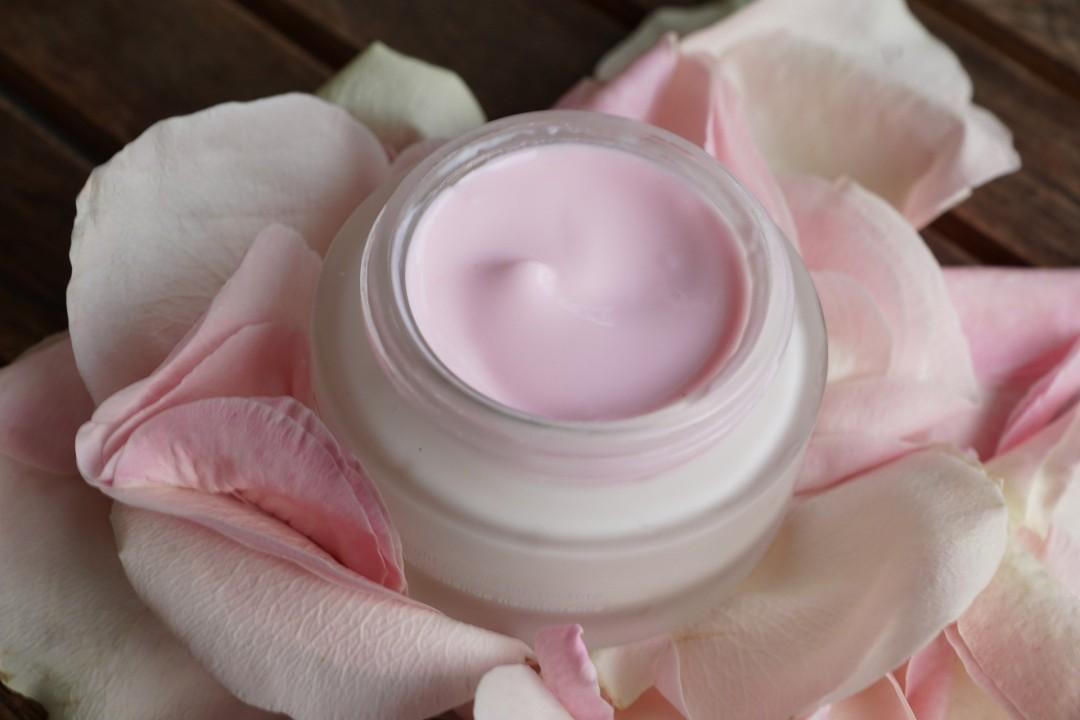
Uses in Cosmetics and Personal Care Products
Hydrogenated Polyisobutene Market: Enhancing Lubricant Performance in Automotive Sector
Hydrogenated Polyisobutene: Exploring its Potential to Revolutionize Various Industries
Composition and Production
Hydrogenated polyisobutene is a non-ionic synthetic compound produced through the hydrogenation of polyisobutylene. Polyisobutylene is a synthetic hydrocarbon polymer derived from the polymerization of isobutylene gas. During the hydrogenation process, hydrogen is added to polyisobutylene under high pressure in the presence of a catalyst to saturate carbon-carbon double bonds. This results in a viscous, waxy substance with improved oxidative stability compared to polyisobutylene. The degree of hydrogenation can be controlled to produce hydrogenated polyisobutene with different physical properties depending on the intended application. On a commercial scale, it is typically produced in a continuous gas-phase process using nickel or cobalt catalysts.
Uses in Cosmetics and Personal Care Products
0 Comments
0 Shares