• Public and Private Financing for the Green Energy Transition

    read more : https://bi-journal.com/public-and-private-financing-for-the-green-energy-transition/

    #greenenergy #publicandprivatefinancing #BIJournal #BIJournalnews #BusinessInsightsarticles #BIJournalinterview
    Public and Private Financing for the Green Energy Transition read more : https://bi-journal.com/public-and-private-financing-for-the-green-energy-transition/ #greenenergy #publicandprivatefinancing #BIJournal #BIJournalnews #BusinessInsightsarticles #BIJournalinterview
    0 Comments 0 Shares
  • Emerging Trends in Public-Private Partnerships for Green Energy

    read more : https://bi-journal.com/emerging-trends-in-public-private-partnerships-for-green-energy/

    #GreenEnergy #PublicPrivatePartnerships #BIJournal #BIJournalnews #BusinessInsightsarticles #BIJournalinterview
    Emerging Trends in Public-Private Partnerships for Green Energy read more : https://bi-journal.com/emerging-trends-in-public-private-partnerships-for-green-energy/ #GreenEnergy #PublicPrivatePartnerships #BIJournal #BIJournalnews #BusinessInsightsarticles #BIJournalinterview
    Emerging Trends in Public-Private Partnerships for Green Energy
    0 Comments 0 Shares
  • Strategies for Funding the Global Green Energy Transition

    read more : https://bi-journal.com/strategies-for-funding-the-global-green-energy-transition/

    #GreenEnergy #GlobalTransition #BIJournal #BIJournalnews #BusinessInsightsarticles #BIJournalinterview
    Strategies for Funding the Global Green Energy Transition read more : https://bi-journal.com/strategies-for-funding-the-global-green-energy-transition/ #GreenEnergy #GlobalTransition #BIJournal #BIJournalnews #BusinessInsightsarticles #BIJournalinterview
    Strategies for Funding the Global Green Energy Transition
    0 Comments 0 Shares
  • Solar Encapsulation Market is driven by Durability Needs
    Solar encapsulation refers to advanced polymeric films, resins, and lamination materials used to protect photovoltaic (PV) cells from mechanical stress, UV degradation, moisture ingress, and temperature fluctuations. These encapsulants, typically comprising ethylene-vinyl acetate (EVA), thermoplastic polyolefin (TPO), and thermosetting polyurethanes, offer high optical clarity, excellent adhesion, and robust weathering performance. By forming a durable barrier around solar modules, they enhance module longevity, minimize power loss, and reduce maintenance costs.

    The solar encapsulation market is estimated to be valued at USD 5.89 Bn in 2025 and is expected to reach USD 10.36 Bn by 2032, growing at a compound annual growth rate (CAGR) of 8.4% from 2025 to 2032.

    Solar Encapsulation Market the renewable energy sector expands, the need for reliable encapsulation grows to safeguard solar arrays in diverse climates, from arid deserts to humid coastal regions. Innovations in barrier technology also address emerging challenges such as PID (potential-induced degradation) and fire safety standards. With module manufacturers seeking to optimize lifecycle performance and ROI, the Solar Encapsulation Market has become a critical segment in PV value chains, driving ongoing research, product differentiation, and cost-efficiency improvements.

    Solar Encapsulation Market
    https://www.coherentmi.com/industry-reports/solar-encapsulation-market

    #CoherentMi, #SolarEncapsulationMarket, #SolarEnergy, #PVTechnology, #RenewableEnergy, #SolarPanels, #ModuleManufacturing, #Encapsulants, #SustainableEnergy, #SolarInnovation, #GreenEnergy
    Solar Encapsulation Market is driven by Durability Needs Solar encapsulation refers to advanced polymeric films, resins, and lamination materials used to protect photovoltaic (PV) cells from mechanical stress, UV degradation, moisture ingress, and temperature fluctuations. These encapsulants, typically comprising ethylene-vinyl acetate (EVA), thermoplastic polyolefin (TPO), and thermosetting polyurethanes, offer high optical clarity, excellent adhesion, and robust weathering performance. By forming a durable barrier around solar modules, they enhance module longevity, minimize power loss, and reduce maintenance costs. The solar encapsulation market is estimated to be valued at USD 5.89 Bn in 2025 and is expected to reach USD 10.36 Bn by 2032, growing at a compound annual growth rate (CAGR) of 8.4% from 2025 to 2032. Solar Encapsulation Market the renewable energy sector expands, the need for reliable encapsulation grows to safeguard solar arrays in diverse climates, from arid deserts to humid coastal regions. Innovations in barrier technology also address emerging challenges such as PID (potential-induced degradation) and fire safety standards. With module manufacturers seeking to optimize lifecycle performance and ROI, the Solar Encapsulation Market has become a critical segment in PV value chains, driving ongoing research, product differentiation, and cost-efficiency improvements. Solar Encapsulation Market https://www.coherentmi.com/industry-reports/solar-encapsulation-market #CoherentMi, #SolarEncapsulationMarket, #SolarEnergy, #PVTechnology, #RenewableEnergy, #SolarPanels, #ModuleManufacturing, #Encapsulants, #SustainableEnergy, #SolarInnovation, #GreenEnergy
    0 Comments 0 Shares
  • India Biofuels Market is driven by Government Renewable Policies
    The India Biofuels Market encompasses a diverse array of renewable fuels—principally biodiesel, bioethanol, biogas, and advanced biofuels—manufactured from feedstocks such as sugarcane molasses, corn, non-edible oils, and agricultural residues.

    India biofuels market size was valued at US$ 3.82 Bn in 2025 and is expected to reach US$ 15.56 Bn by 2032, growing at a compound annual growth rate (CAGR) of 22.2% from 2025 to 2032.

    These India Biofuels Market products offer significant advantages: they reduce dependence on fossil fuels, lower greenhouse gas emissions, and enhance rural livelihoods by creating jobs in feedstock cultivation and processing. Bioethanol finds widespread use in blending with gasoline to meet statutory mandates, while biodiesel blends serve the diesel sector, improving fuel lubricity and lowering particulate emissions. Biogas, generated via anaerobic digestion of organic waste, addresses waste management challenges and provides a decentralized energy source for cooking and power generation.

    Advanced biofuels derived from algae and lignocellulosic biomass promise higher yields and greater sustainability, tapping into abundant agricultural residues. Rising environmental concerns, volatile crude oil prices, and government incentives have driven industry players to ramp up production capacities and invest in research and development. Stringent regulations targeting carbon intensity and ambitious ethanol blending targets underscore the critical need for biofuel adoption to achieve energy security and climate goals.

    India Biofuels Market
    https://www.coherentmi.com/industry-reports/india-biofuels-market

    #CoherentMI, #IndiaBiofuelsMarket, #BiofuelsIndia, #RenewableEnergy, #GreenEnergy, #SustainableEnergy, #EthanolBlending, #Biodiesel, #EnergyTransition, #CleanFuels, #IndianEnergySector
    India Biofuels Market is driven by Government Renewable Policies The India Biofuels Market encompasses a diverse array of renewable fuels—principally biodiesel, bioethanol, biogas, and advanced biofuels—manufactured from feedstocks such as sugarcane molasses, corn, non-edible oils, and agricultural residues. India biofuels market size was valued at US$ 3.82 Bn in 2025 and is expected to reach US$ 15.56 Bn by 2032, growing at a compound annual growth rate (CAGR) of 22.2% from 2025 to 2032. These India Biofuels Market products offer significant advantages: they reduce dependence on fossil fuels, lower greenhouse gas emissions, and enhance rural livelihoods by creating jobs in feedstock cultivation and processing. Bioethanol finds widespread use in blending with gasoline to meet statutory mandates, while biodiesel blends serve the diesel sector, improving fuel lubricity and lowering particulate emissions. Biogas, generated via anaerobic digestion of organic waste, addresses waste management challenges and provides a decentralized energy source for cooking and power generation. Advanced biofuels derived from algae and lignocellulosic biomass promise higher yields and greater sustainability, tapping into abundant agricultural residues. Rising environmental concerns, volatile crude oil prices, and government incentives have driven industry players to ramp up production capacities and invest in research and development. Stringent regulations targeting carbon intensity and ambitious ethanol blending targets underscore the critical need for biofuel adoption to achieve energy security and climate goals. India Biofuels Market https://www.coherentmi.com/industry-reports/india-biofuels-market #CoherentMI, #IndiaBiofuelsMarket, #BiofuelsIndia, #RenewableEnergy, #GreenEnergy, #SustainableEnergy, #EthanolBlending, #Biodiesel, #EnergyTransition, #CleanFuels, #IndianEnergySector
    0 Comments 0 Shares
  • Small Hydropower Market is driven by increasing renewable energy demand
    Small hydropower systems, typically defined as installations generating up to 10 MW, harness the kinetic energy of rivers and streams to produce clean, reliable electricity with minimal environmental impact. These run‐of‐river and low‐head technologies feature modular designs and scalable capacities, allowing developers to customize projects for remote villages, industrial off‐grid sites, and urban microgrid integrations. The inherent advantages of small hydropower include low operational costs, long asset lifespans, and high capacity factors compared with other renewables, making them an attractive addition to diversified energy portfolios.
    Small Hydropower Market Technological advancements in turbine materials and digital control systems enable predictive maintenance and optimized performance, while streamlined permitting processes reduce time-to-market. With growing emphasis on carbon reduction and energy security, small hydropower meets the need for decentralized generation, water resource management, and rural electrification. Market trends indicate rising investments in community-scale micro-hydro plants, and emerging market opportunities are expanding across regions with abundant water flows but limited grid infrastructure.

    The small hydropower market is estimated to be valued at USD 2.33 billion in 2025 and is expected to reach USD 3.007 billion by 2032, growing at a compound annual growth rate (CAGR) of 3.00% from 2025 to 2032.

    Small Hydropower Market
    https://www.coherentmi.com/industry-reports/small-hydropower-market

    #CoherentMI, #SmallHydropowerMarket, #Hydropower, #RenewableEnergy, #CleanEnergy, #GreenEnergy, #SustainableEnergy, #DecentralizedEnergy, #HydroElectric, #EnergySolutions, #RuralElectrification
    Small Hydropower Market is driven by increasing renewable energy demand Small hydropower systems, typically defined as installations generating up to 10 MW, harness the kinetic energy of rivers and streams to produce clean, reliable electricity with minimal environmental impact. These run‐of‐river and low‐head technologies feature modular designs and scalable capacities, allowing developers to customize projects for remote villages, industrial off‐grid sites, and urban microgrid integrations. The inherent advantages of small hydropower include low operational costs, long asset lifespans, and high capacity factors compared with other renewables, making them an attractive addition to diversified energy portfolios. Small Hydropower Market Technological advancements in turbine materials and digital control systems enable predictive maintenance and optimized performance, while streamlined permitting processes reduce time-to-market. With growing emphasis on carbon reduction and energy security, small hydropower meets the need for decentralized generation, water resource management, and rural electrification. Market trends indicate rising investments in community-scale micro-hydro plants, and emerging market opportunities are expanding across regions with abundant water flows but limited grid infrastructure. The small hydropower market is estimated to be valued at USD 2.33 billion in 2025 and is expected to reach USD 3.007 billion by 2032, growing at a compound annual growth rate (CAGR) of 3.00% from 2025 to 2032. Small Hydropower Market https://www.coherentmi.com/industry-reports/small-hydropower-market #CoherentMI, #SmallHydropowerMarket, #Hydropower, #RenewableEnergy, #CleanEnergy, #GreenEnergy, #SustainableEnergy, #DecentralizedEnergy, #HydroElectric, #EnergySolutions, #RuralElectrification
    0 Comments 0 Shares
  • Solar Tracker Installation Market is driven by Renewable Energy Demand
    The Solar Tracker Installation Market is witnessing robust demand for advanced tracking systems designed to optimize photovoltaic module orientation throughout daylight hours. These solar trackers come in single-axis and dual-axis variants, enabling enhanced solar radiation capture and improved energy yield compared to fixed-tilt installations. Key product advantages include higher power generation efficiency, reduced levelized cost of electricity, and streamlined balance-of-system requirements.

    Solar Tracker Installation Market Growing emphasis on solar farming and utility-scale solar parks has amplified the need for reliable trackers that deliver consistent performance under varying environmental conditions. Innovations such as smart sensors and IoT-enabled control platforms provide real-time market insights to operators, fostering proactive maintenance and performance monitoring. Moreover, the decline in tracker manufacturing costs and favorable government incentives have highlighted market opportunities across emerging economies. With industry trends pointing to increased adoption in residential, commercial, and industrial segments, stakeholders are leveraging market analysis and market research data to tailor growth strategies.

    The solar tracker installation market is estimated to be valued at USD 10.34 Bn in 2025 and is expected to reach USD 26.68 Bn by 2032, growing at a compound annual growth rate (CAGR) of 14.5% from 2025 to 2032.

    Key Takeaways
    Key players operating in the Solar Tracker Installation Market are NEXTracker Inc., Array Technologies Inc., Soltec Trackers, Arctech Solar, and First Solar Inc. These market companies have diversified product portfolios encompassing single-axis, dual-axis, and active tracking solutions. NEXTracker Inc. leads with cutting-edge software-driven systems, while Array Technologies Inc.

    Solar Tracker Installation Market
    https://www.coherentmi.com/industry-reports/solar-tracker-installation-market

    #CoherentMI, #SolarTrackerInstallationMarket, #SolarTrackers, #SolarEnergy, #PVInstallation, #RenewableEnergy, #SolarPowerPlants, #EnergyEfficiency, #SustainableEnergy, #SolarFarm, #GreenEnergy
    Solar Tracker Installation Market is driven by Renewable Energy Demand The Solar Tracker Installation Market is witnessing robust demand for advanced tracking systems designed to optimize photovoltaic module orientation throughout daylight hours. These solar trackers come in single-axis and dual-axis variants, enabling enhanced solar radiation capture and improved energy yield compared to fixed-tilt installations. Key product advantages include higher power generation efficiency, reduced levelized cost of electricity, and streamlined balance-of-system requirements. Solar Tracker Installation Market Growing emphasis on solar farming and utility-scale solar parks has amplified the need for reliable trackers that deliver consistent performance under varying environmental conditions. Innovations such as smart sensors and IoT-enabled control platforms provide real-time market insights to operators, fostering proactive maintenance and performance monitoring. Moreover, the decline in tracker manufacturing costs and favorable government incentives have highlighted market opportunities across emerging economies. With industry trends pointing to increased adoption in residential, commercial, and industrial segments, stakeholders are leveraging market analysis and market research data to tailor growth strategies. The solar tracker installation market is estimated to be valued at USD 10.34 Bn in 2025 and is expected to reach USD 26.68 Bn by 2032, growing at a compound annual growth rate (CAGR) of 14.5% from 2025 to 2032. Key Takeaways Key players operating in the Solar Tracker Installation Market are NEXTracker Inc., Array Technologies Inc., Soltec Trackers, Arctech Solar, and First Solar Inc. These market companies have diversified product portfolios encompassing single-axis, dual-axis, and active tracking solutions. NEXTracker Inc. leads with cutting-edge software-driven systems, while Array Technologies Inc. Solar Tracker Installation Market https://www.coherentmi.com/industry-reports/solar-tracker-installation-market #CoherentMI, #SolarTrackerInstallationMarket, #SolarTrackers, #SolarEnergy, #PVInstallation, #RenewableEnergy, #SolarPowerPlants, #EnergyEfficiency, #SustainableEnergy, #SolarFarm, #GreenEnergy
    0 Comments 0 Shares
  • Solar Lighting System Market is driven by growing demand for renewable lighting
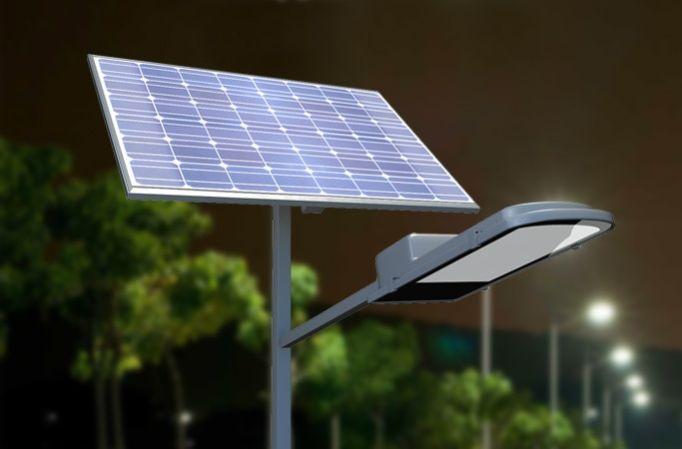
    Solar lighting systems integrate photovoltaic panels, energy-efficient LED fixtures, and rechargeable battery units to deliver off-grid illumination for residential, commercial, and public infrastructure. These products offer significant advantages, including reduced electricity bills, minimal maintenance, and lower carbon emissions, aligning with global sustainability goals. The modular design allows scalable deployment in rural electrification projects, highway illumination, and smart city applications, addressing the growing need for reliable, eco-friendly lighting solutions in areas with limited grid connectivity. Solar Lighting System Market Advances in battery storage and inverter technology enhance system durability and performance, while declining solar panel costs improve the overall return on investment. Integrating IoT-enabled controls provides real-time monitoring and predictive maintenance, supporting optimized energy management and business growth. With rising urbanization and increasing infrastructure development, solar lighting presents lucrative market opportunities by combining energy independence with enhanced safety and operational efficiency.

    The solar lighting system market is estimated to be valued at USD 11.81 Bn in 2025 and is expected to reach USD 32.58 Bn by 2032, growing at a compound annual growth rate (CAGR) of 15.6% from 2025 to 2032.

    Key Takeaways
    Key players operating in the Solar Lighting System Market are Philips Lighting (Signify), Solar Electric Power Company (SEPCO), Sunna Design Inc., Sol Inc., and VerySol Inc. These market companies lead in product innovation, leveraging extensive R&D to introduce advanced solar modules and smart lighting controls. Signify’s global footprint and strong market share in LED technologies support rapid deployment, while SEPCO and Sunna Design focus on rural and off-grid markets, tapping into untapped market segments. Sol Inc. and VerySol Inc. drive competitive pricing strategies, expanding product portfolios to cater to diverse end-user requirements.

    Solar Lighting System Market
    https://www.coherentmi.com/industry-reports/solar-lighting-system-market

    #CoherentMI, #SolarLightingSystemMarket, #SolarLighting, #RenewableEnergy, #OffGridLighting, #SustainableLighting, #LEDLighting, #GreenEnergy, #OutdoorLighting, #EnergyEfficiency, #SolarPower
    Solar Lighting System Market is driven by growing demand for renewable lighting Solar lighting systems integrate photovoltaic panels, energy-efficient LED fixtures, and rechargeable battery units to deliver off-grid illumination for residential, commercial, and public infrastructure. These products offer significant advantages, including reduced electricity bills, minimal maintenance, and lower carbon emissions, aligning with global sustainability goals. The modular design allows scalable deployment in rural electrification projects, highway illumination, and smart city applications, addressing the growing need for reliable, eco-friendly lighting solutions in areas with limited grid connectivity. Solar Lighting System Market Advances in battery storage and inverter technology enhance system durability and performance, while declining solar panel costs improve the overall return on investment. Integrating IoT-enabled controls provides real-time monitoring and predictive maintenance, supporting optimized energy management and business growth. With rising urbanization and increasing infrastructure development, solar lighting presents lucrative market opportunities by combining energy independence with enhanced safety and operational efficiency. The solar lighting system market is estimated to be valued at USD 11.81 Bn in 2025 and is expected to reach USD 32.58 Bn by 2032, growing at a compound annual growth rate (CAGR) of 15.6% from 2025 to 2032. Key Takeaways Key players operating in the Solar Lighting System Market are Philips Lighting (Signify), Solar Electric Power Company (SEPCO), Sunna Design Inc., Sol Inc., and VerySol Inc. These market companies lead in product innovation, leveraging extensive R&D to introduce advanced solar modules and smart lighting controls. Signify’s global footprint and strong market share in LED technologies support rapid deployment, while SEPCO and Sunna Design focus on rural and off-grid markets, tapping into untapped market segments. Sol Inc. and VerySol Inc. drive competitive pricing strategies, expanding product portfolios to cater to diverse end-user requirements. Solar Lighting System Market https://www.coherentmi.com/industry-reports/solar-lighting-system-market #CoherentMI, #SolarLightingSystemMarket, #SolarLighting, #RenewableEnergy, #OffGridLighting, #SustainableLighting, #LEDLighting, #GreenEnergy, #OutdoorLighting, #EnergyEfficiency, #SolarPower
    0 Comments 0 Shares

No results to show

No results to show

No results to show

No results to show

No results to show