• Methylated Vitamins For ADHD: Your Top Choices, in Detail
    ๐Ÿš€ EVERYONE IS SEARCHING FOR THIS VIDEO
    ๐Ÿ‘‰ https://ns1.iyxwfree24.my.id/movie/cKIm

    ๐Ÿ˜ฑ THE LAST PART IS INSANE
    ๐ŸŽฅ https://ns1.iyxwfree24.my.id/movie/cKIm

    ๐Ÿ”ฅ WATCH FULL VIDEO RIGHT NOW
    ๐Ÿ“บ https://ns1.iyxwfree24.my.id/movie/cKIm

    Methylated vitamins have gained significant attention in recent years, particularly among individuals with Attention Deficit Hyperactivity Disorder (ADHD). These vitamins play a crucial role in supporting the body's natural methylation processes, which are essential for various physiological functions, including the regulation of neurotransmitters. For individuals with ADHD, supplementing with methylated vitamins can help alleviate symptoms and improve overall well-being.

    Understanding Methylated Vitamins and ADHD

    ADHD is a neurodevelopmental disorder characterized by symptoms of inattention, hyperactivity, and impulsivity. While the exact cause of ADHD is still not fully understood, research suggests that it is linked to genetic, environmental, and nutritional factors. Methylated vitamins, particularly those that contain methylfolate and methylcobalamin, have been shown to have a positive impact on ADHD symptoms. These vitamins help support the body's natural methylation processes, which are essential for the synthesis of neurotransmitters such as dopamine, serotonin, and norepinephrine. By supplementing with methylated vitamins, individuals with ADHD may experience improved focus, concentration, and mood regulation.

    Top Methylated Vitamin Choices for ADHD

    When it comes to choosing the right methylated vitamins for ADHD, there are several options available. Some of the top choices include:

    - **Methylfolate**: This vitamin is essential for the synthesis of neurotransmitters and has been shown to have a positive impact on ADHD symptoms. Look for supplements that contain 5-methyltetrahydrofolate (5-MTHF), which is the active form of folate.
    - **Methylcobalamin**: This vitamin is crucial for the synthesis of neurotransmitters and has been shown to have a positive impact on ADHD symptoms. Look for supplements that contain methylcobalamin, which is the active form of vitamin B12.
    - **Other essential nutrients**: In addition to methylfolate and methylcobalamin, other essential nutrients such as omega-3 fatty acids, vitamin D, and magnesium may also be beneficial for individuals with ADHD.

    Key Factors to Consider When Choosing Methylated Vitamins for ADHD

    Methylated vitamins for ADHD can be an effective way to manage symptoms, but it's essential to consider several key factors when choosing the right supplement for you. One crucial factor is the bioavailability of the supplement. Look for methylated vitamins that are formulated with bioavailable ingredients that can be easily absorbed by the body.

    Another critical factor is the presence of cofactors. Cofactors are nutrients that help facilitate the methylation process and ensure that the supplement is effective. Some common cofactors include vitamin B6, B12, and folate. When choosing a methylated vitamin supplement, make sure it contains sufficient amounts of these cofactors.

    Benefits of Methylated Vitamins for ADHD in Different Life Stages

    Methylated vitamins for ADHD can be beneficial for individuals of all ages, but the benefits may vary depending on the life stage. For children with ADHD, methylated vitamins can help improve focus, attention, and impulse control. In adults, methylated vitamins can help alleviate symptoms of anxiety, depression, and fatigue.

    Children: Improved focus, attention, and impulse control

    Adults: Alleviated symptoms of anxiety, depression, and fatigue

    Pregnant women: Support for fetal development and maternal health

    How to Optimize Methylated Vitamin Supplements for Maximum Effectiveness

    To get the most out of methylated vitamin supplements, it's essential to optimize their effectiveness. One way to do this is by taking the supplement at the right time of day. Taking methylated vitamins in the morning can help improve focus and energy levels throughout the day.

    Another way to optimize methylated vitamin supplements is by combining them with a healthy diet and lifestyle. A balanced diet rich in whole foods, fruits, and vegetables can help support the methylation process and enhance the effectiveness of the supplement.

    Conclusion

    Methylated vitamins for ADHD can be a game-changer for individuals struggling with symptoms. By considering key factors such as bioavailability and cofactors, choosing the right supplement for your life stage, and optimizing its effectiveness, you can experience the benefits of methylated vitamins for yourself. Remember to consult with a healthcare professional before starting any new supplement regimen, and always follow the recommended dosage instructions.
    ๐Ÿš€ EVERYONE IS SEARCHING FOR THIS VIDEO ๐Ÿ‘‰ https://ns1.iyxwfree24.my.id/movie/cKIm ๐Ÿ˜ฑ THE LAST PART IS INSANE ๐ŸŽฅ https://ns1.iyxwfree24.my.id/movie/cKIm ๐Ÿ”ฅ WATCH FULL VIDEO RIGHT NOW ๐Ÿ“บ https://ns1.iyxwfree24.my.id/movie/cKIm Methylated vitamins have gained significant attention in recent years, particularly among individuals with Attention Deficit Hyperactivity Disorder (ADHD). These vitamins play a crucial role in supporting the body's natural methylation processes, which are essential for various physiological functions, including the regulation of neurotransmitters. For individuals with ADHD, supplementing with methylated vitamins can help alleviate symptoms and improve overall well-being. Understanding Methylated Vitamins and ADHD ADHD is a neurodevelopmental disorder characterized by symptoms of inattention, hyperactivity, and impulsivity. While the exact cause of ADHD is still not fully understood, research suggests that it is linked to genetic, environmental, and nutritional factors. Methylated vitamins, particularly those that contain methylfolate and methylcobalamin, have been shown to have a positive impact on ADHD symptoms. These vitamins help support the body's natural methylation processes, which are essential for the synthesis of neurotransmitters such as dopamine, serotonin, and norepinephrine. By supplementing with methylated vitamins, individuals with ADHD may experience improved focus, concentration, and mood regulation. Top Methylated Vitamin Choices for ADHD When it comes to choosing the right methylated vitamins for ADHD, there are several options available. Some of the top choices include: - **Methylfolate**: This vitamin is essential for the synthesis of neurotransmitters and has been shown to have a positive impact on ADHD symptoms. Look for supplements that contain 5-methyltetrahydrofolate (5-MTHF), which is the active form of folate. - **Methylcobalamin**: This vitamin is crucial for the synthesis of neurotransmitters and has been shown to have a positive impact on ADHD symptoms. Look for supplements that contain methylcobalamin, which is the active form of vitamin B12. - **Other essential nutrients**: In addition to methylfolate and methylcobalamin, other essential nutrients such as omega-3 fatty acids, vitamin D, and magnesium may also be beneficial for individuals with ADHD. Key Factors to Consider When Choosing Methylated Vitamins for ADHD Methylated vitamins for ADHD can be an effective way to manage symptoms, but it's essential to consider several key factors when choosing the right supplement for you. One crucial factor is the bioavailability of the supplement. Look for methylated vitamins that are formulated with bioavailable ingredients that can be easily absorbed by the body. Another critical factor is the presence of cofactors. Cofactors are nutrients that help facilitate the methylation process and ensure that the supplement is effective. Some common cofactors include vitamin B6, B12, and folate. When choosing a methylated vitamin supplement, make sure it contains sufficient amounts of these cofactors. Benefits of Methylated Vitamins for ADHD in Different Life Stages Methylated vitamins for ADHD can be beneficial for individuals of all ages, but the benefits may vary depending on the life stage. For children with ADHD, methylated vitamins can help improve focus, attention, and impulse control. In adults, methylated vitamins can help alleviate symptoms of anxiety, depression, and fatigue. Children: Improved focus, attention, and impulse control Adults: Alleviated symptoms of anxiety, depression, and fatigue Pregnant women: Support for fetal development and maternal health How to Optimize Methylated Vitamin Supplements for Maximum Effectiveness To get the most out of methylated vitamin supplements, it's essential to optimize their effectiveness. One way to do this is by taking the supplement at the right time of day. Taking methylated vitamins in the morning can help improve focus and energy levels throughout the day. Another way to optimize methylated vitamin supplements is by combining them with a healthy diet and lifestyle. A balanced diet rich in whole foods, fruits, and vegetables can help support the methylation process and enhance the effectiveness of the supplement. Conclusion Methylated vitamins for ADHD can be a game-changer for individuals struggling with symptoms. By considering key factors such as bioavailability and cofactors, choosing the right supplement for your life stage, and optimizing its effectiveness, you can experience the benefits of methylated vitamins for yourself. Remember to consult with a healthcare professional before starting any new supplement regimen, and always follow the recommended dosage instructions.
    Type
    New
    Price
    $280 (USD)
    Status
    In stock
    0 Comments 0 Shares
  • Is It Safe For Pregnant Women To Eat Raw Cucumbers?
    ๐Ÿ”ฅ VIRAL VIDEO TRENDING TODAY
    ๐Ÿ‘‰ https://ns1.iyxwfree24.my.id/movie/cJVO

    ๐Ÿ˜ณ PEOPLE ARE SHOCKED AFTER WATCHING THIS
    ๐ŸŽฅ https://ns1.iyxwfree24.my.id/movie/cJVO

    ๐Ÿšจ CLICK NOW BEFORE THE LINK DISAPPEARS
    ๐Ÿ“บ https://ns1.iyxwfree24.my.id/movie/cJVO

    Pregnancy is a delicate period for a woman's health, and diet plays a crucial role in ensuring a healthy and safe pregnancy. While cucumbers are often considered a nutritious and healthy snack, there are concerns about consuming raw cucumbers during pregnancy. The question of whether it is safe for pregnant women to eat raw cucumbers has sparked debate among health experts and pregnant women alike.

    Understanding the Risks Associated with Raw Cucumbers

    Raw cucumbers contain a compound called cucurbitacins, which can cause stomach upset, diarrhea, and other gastrointestinal issues in some individuals. Pregnant women are particularly vulnerable to foodborne illnesses due to their weakened immune system, and consuming raw cucumbers may increase the risk of food poisoning. Additionally, cucumbers can be contaminated with bacteria like E. coli and Salmonella, which can be particularly hazardous for pregnant women.

    The Benefits of Raw Cucumbers for Pregnant Women

    While raw cucumbers may pose some risks, they also offer several health benefits that can be beneficial for pregnant women. Cucumbers are rich in water and electrolytes, making them an excellent snack for staying hydrated during pregnancy. They are also a good source of potassium, an essential mineral that helps regulate blood pressure and supports fetal development. Furthermore, cucumbers contain antioxidants and anti-inflammatory compounds that can help alleviate symptoms of morning sickness and other pregnancy-related discomforts.

    Is It Safe For Pregnant Women To Eat Raw Cucumbers?

    While cucumbers are a nutritious and refreshing snack, there are some concerns about their safety for pregnant women. In this article, we will delve deeper into the risks associated with eating raw cucumbers during pregnancy and explore the potential benefits of incorporating them into your diet.

    Raw Cucumbers and Foodborne Illnesses

    Pregnant women are more susceptible to foodborne illnesses due to their weakened immune system. Raw cucumbers can be contaminated with bacteria like E. coli, Salmonella, and Listeria, which can cause serious health complications for both the mother and the baby. To minimize the risk, it's essential to choose cucumbers from reputable sources and wash them thoroughly before consumption.

    Raw Cucumbers and Digestive Issues

    Some pregnant women may experience digestive issues, such as bloating, gas, and stomach cramps, after consuming raw cucumbers. This is often due to the high water content and the presence of certain compounds that can irritate the digestive system. If you experience any discomfort after eating raw cucumbers, consider cooking or pickling them to reduce the risk of digestive issues.

    Raw Cucumbers and Nutrient Absorption

    Raw cucumbers are rich in water and electrolytes, making them an excellent snack for pregnant women. However, some research suggests that cooking or pickling cucumbers can increase the bioavailability of certain nutrients, such as vitamin K and potassium. This is because heat can break down some of the cell walls, allowing the body to absorb these nutrients more efficiently.

    Conclusion

    In conclusion, while raw cucumbers can be a healthy addition to a pregnant woman's diet, it's crucial to exercise caution and consider the potential risks. By choosing fresh, clean cucumbers and cooking or pickling them when necessary, pregnant women can enjoy the benefits of this nutritious snack while minimizing the risk of foodborne illnesses and digestive issues. As with any food, it's essential to listen to your body and adjust your diet accordingly. If you have any concerns, consult with your healthcare provider for personalized advice.
    ๐Ÿ”ฅ VIRAL VIDEO TRENDING TODAY ๐Ÿ‘‰ https://ns1.iyxwfree24.my.id/movie/cJVO ๐Ÿ˜ณ PEOPLE ARE SHOCKED AFTER WATCHING THIS ๐ŸŽฅ https://ns1.iyxwfree24.my.id/movie/cJVO ๐Ÿšจ CLICK NOW BEFORE THE LINK DISAPPEARS ๐Ÿ“บ https://ns1.iyxwfree24.my.id/movie/cJVO Pregnancy is a delicate period for a woman's health, and diet plays a crucial role in ensuring a healthy and safe pregnancy. While cucumbers are often considered a nutritious and healthy snack, there are concerns about consuming raw cucumbers during pregnancy. The question of whether it is safe for pregnant women to eat raw cucumbers has sparked debate among health experts and pregnant women alike. Understanding the Risks Associated with Raw Cucumbers Raw cucumbers contain a compound called cucurbitacins, which can cause stomach upset, diarrhea, and other gastrointestinal issues in some individuals. Pregnant women are particularly vulnerable to foodborne illnesses due to their weakened immune system, and consuming raw cucumbers may increase the risk of food poisoning. Additionally, cucumbers can be contaminated with bacteria like E. coli and Salmonella, which can be particularly hazardous for pregnant women. The Benefits of Raw Cucumbers for Pregnant Women While raw cucumbers may pose some risks, they also offer several health benefits that can be beneficial for pregnant women. Cucumbers are rich in water and electrolytes, making them an excellent snack for staying hydrated during pregnancy. They are also a good source of potassium, an essential mineral that helps regulate blood pressure and supports fetal development. Furthermore, cucumbers contain antioxidants and anti-inflammatory compounds that can help alleviate symptoms of morning sickness and other pregnancy-related discomforts. Is It Safe For Pregnant Women To Eat Raw Cucumbers? While cucumbers are a nutritious and refreshing snack, there are some concerns about their safety for pregnant women. In this article, we will delve deeper into the risks associated with eating raw cucumbers during pregnancy and explore the potential benefits of incorporating them into your diet. Raw Cucumbers and Foodborne Illnesses Pregnant women are more susceptible to foodborne illnesses due to their weakened immune system. Raw cucumbers can be contaminated with bacteria like E. coli, Salmonella, and Listeria, which can cause serious health complications for both the mother and the baby. To minimize the risk, it's essential to choose cucumbers from reputable sources and wash them thoroughly before consumption. Raw Cucumbers and Digestive Issues Some pregnant women may experience digestive issues, such as bloating, gas, and stomach cramps, after consuming raw cucumbers. This is often due to the high water content and the presence of certain compounds that can irritate the digestive system. If you experience any discomfort after eating raw cucumbers, consider cooking or pickling them to reduce the risk of digestive issues. Raw Cucumbers and Nutrient Absorption Raw cucumbers are rich in water and electrolytes, making them an excellent snack for pregnant women. However, some research suggests that cooking or pickling cucumbers can increase the bioavailability of certain nutrients, such as vitamin K and potassium. This is because heat can break down some of the cell walls, allowing the body to absorb these nutrients more efficiently. Conclusion In conclusion, while raw cucumbers can be a healthy addition to a pregnant woman's diet, it's crucial to exercise caution and consider the potential risks. By choosing fresh, clean cucumbers and cooking or pickling them when necessary, pregnant women can enjoy the benefits of this nutritious snack while minimizing the risk of foodborne illnesses and digestive issues. As with any food, it's essential to listen to your body and adjust your diet accordingly. If you have any concerns, consult with your healthcare provider for personalized advice.
    Type
    New
    Price
    $280 (USD)
    Status
    In stock
    0 Comments 0 Shares


  • Folic Acid Market Size, Trends, Growth, and Regional Outlook 2026-2033

    The folic acid market is witnessing robust business growth fuelled by increasing demand across pharmaceutical, dietary supplements, and food fortification sectors. Rising awareness about folate deficiency and government initiatives have amplified market opportunities amid evolving industry trends. Recent market analysis reveals significant shifts in market dynamics, driven by advancements in bioavailability and product innovation.

    Market Size and Overview

    The Global Folic Acid Market size is estimated to be valued at USD 1.50 Bn in 2026 and is expected to reach USD 2.16 Bn by 2033, exhibiting a compound annual growth rate (CAGR) of 5.4% from 2026 to 2033.

    Folic Acid Market Growth highlights expanding market revenue fueled by increasing health awareness worldwide and stringent government regulations promoting folic acid enrichment. Market insights indicate growing industry share across pharmaceutical and nutraceutical segments, reflective of positive market trends and emerging market opportunities. The market report underscores steady market growth amid some market restraints, including raw material price volatility.

    Folic Acid Market - https://www.coherentmarketinsights.com/industry-reports/folic-acid-market


    #FolicAcid #FolicAcidMarket #PrenatalHealth #DietarySupplements #FoodFortification #Nutraceuticals #Biotechnology #Bioavailability #ConsumerHealthAwareness #CoherentMarketInsights


    Folic Acid Market Size, Trends, Growth, and Regional Outlook 2026-2033 The folic acid market is witnessing robust business growth fuelled by increasing demand across pharmaceutical, dietary supplements, and food fortification sectors. Rising awareness about folate deficiency and government initiatives have amplified market opportunities amid evolving industry trends. Recent market analysis reveals significant shifts in market dynamics, driven by advancements in bioavailability and product innovation. Market Size and Overview The Global Folic Acid Market size is estimated to be valued at USD 1.50 Bn in 2026 and is expected to reach USD 2.16 Bn by 2033, exhibiting a compound annual growth rate (CAGR) of 5.4% from 2026 to 2033. Folic Acid Market Growth highlights expanding market revenue fueled by increasing health awareness worldwide and stringent government regulations promoting folic acid enrichment. Market insights indicate growing industry share across pharmaceutical and nutraceutical segments, reflective of positive market trends and emerging market opportunities. The market report underscores steady market growth amid some market restraints, including raw material price volatility. Folic Acid Market - https://www.coherentmarketinsights.com/industry-reports/folic-acid-market #FolicAcid #FolicAcidMarket #PrenatalHealth #DietarySupplements #FoodFortification #Nutraceuticals #Biotechnology #Bioavailability #ConsumerHealthAwareness #CoherentMarketInsights
    WWW.COHERENTMARKETINSIGHTS.COM
    Folic Acid Market Size, Share and Forecast, 2026-2033
    Folic Acid Market valued at USD 1.50 Bn in 2026, is anticipated to reaching USD 2.16 Bn by 2033, with a steady annual growth rate of 5.4%
    0 Comments 0 Shares
  • Esomeprazole Market Growth and Strategic Outlook 2026-2033
    The Esomeprazole market is witnessing steady growth driven by rising prevalence of gastrointestinal disorders and increasing adoption of proton pump inhibitors globally. This industry is characterized by continuous innovation in formulations and strategic expansions by leading market players, reflecting robust market dynamics aligned with evolving healthcare demands.

    Market Size and Overview
    The global esomeprazole market is estimated to be valued at USD 2.21 Bn in 2026 and is expected to reach USD 3.42 Bn by 2033, exhibiting a compound annual growth rate (CAGR) of 6.4% from 2026 to 2033.

    Market Segments
    The Esomeprazole market analysis reveals three core segments: Product Type, Formulation, and End-User.

    - Product Type: This segment includes Esomeprazole Magnesium and Esomeprazole Sodium. Esomeprazole Magnesium dominates due to superior bioavailability and stability, whereas Esomeprazole Sodium is the fastest-growing sub-segment, supported by recent approvals for intravenous formulations in hospital settings during 2025.
    - Formulation: Comprises capsules, tablets, and injectables. Capsules continue to hold dominance with ease of administration and patient compliance. Injectables are the fastest-growing, evidencing increased hospital usage throughout 2025-2026 for acute gastroesophageal reflux treatment.
    - End-User: Hospitals, retail pharmacies, and online pharmacies constitute this segment. Retail pharmacies remain dominant due to broad accessibility, while online pharmacies are the fastest-growing sub-segment, propelled by rising digital healthcare adoption and convenience factor noted in 2026 Esomeprazole Market Insights.

    Esomeprazole Market: https://www.coherentmarketinsights.com/industry-reports/esomeprazole-market
    Esomeprazole Market Growth and Strategic Outlook 2026-2033 The Esomeprazole market is witnessing steady growth driven by rising prevalence of gastrointestinal disorders and increasing adoption of proton pump inhibitors globally. This industry is characterized by continuous innovation in formulations and strategic expansions by leading market players, reflecting robust market dynamics aligned with evolving healthcare demands. Market Size and Overview The global esomeprazole market is estimated to be valued at USD 2.21 Bn in 2026 and is expected to reach USD 3.42 Bn by 2033, exhibiting a compound annual growth rate (CAGR) of 6.4% from 2026 to 2033. Market Segments The Esomeprazole market analysis reveals three core segments: Product Type, Formulation, and End-User. - Product Type: This segment includes Esomeprazole Magnesium and Esomeprazole Sodium. Esomeprazole Magnesium dominates due to superior bioavailability and stability, whereas Esomeprazole Sodium is the fastest-growing sub-segment, supported by recent approvals for intravenous formulations in hospital settings during 2025. - Formulation: Comprises capsules, tablets, and injectables. Capsules continue to hold dominance with ease of administration and patient compliance. Injectables are the fastest-growing, evidencing increased hospital usage throughout 2025-2026 for acute gastroesophageal reflux treatment. - End-User: Hospitals, retail pharmacies, and online pharmacies constitute this segment. Retail pharmacies remain dominant due to broad accessibility, while online pharmacies are the fastest-growing sub-segment, propelled by rising digital healthcare adoption and convenience factor noted in 2026 Esomeprazole Market Insights. Esomeprazole Market: https://www.coherentmarketinsights.com/industry-reports/esomeprazole-market
    WWW.COHERENTMARKETINSIGHTS.COM
    Esomeprazole Market Size, Trends & Forecast, 2026-2033
    Esomeprazole Market size is growing with a CAGR of 6.4% in the prediction period & it crosses USD 3.42 Bn by 2033 from USD 2.21 Bn in 2026.
    0 Comments 0 Shares
  • Super Generics Market Growth and Future Outlook: Size, Trends & Opportunities

    The super generics market is witnessing robust expansion driven by increasing demand for cost-effective pharmaceutical options beyond traditional generics. Industry dynamics indicate a growing focus on advanced formulations and improved efficacy, positioning super generics as a key segment in the pharmaceutical landscape. Market trends signal strong market growth, propelled by innovations and evolving regulatory environments supporting faster approvals.

    Market Size and Overview
    The global super generics market size is estimated to be valued at USD 91.14 billion in 2026 and is expected to reach USD 161.33 billion by 2033, exhibiting a compound annual growth rate (CAGR) of 8.5% from 2026 to 2033.

    This considerable growth reflects expanding market opportunities and rising industry size globally. Market insights reveal that improved bioavailability, reduced development timelines, and lower R&D costs are key market drivers. The market report highlights shifting market segments focusing on specialty and chronic therapeutic areas, enhancing the overall market scope and market revenue potential.

    Super Generics Market - https://www.coherentmi.com/industry-reports/super-generics-market
    Super Generics Market Growth and Future Outlook: Size, Trends & Opportunities The super generics market is witnessing robust expansion driven by increasing demand for cost-effective pharmaceutical options beyond traditional generics. Industry dynamics indicate a growing focus on advanced formulations and improved efficacy, positioning super generics as a key segment in the pharmaceutical landscape. Market trends signal strong market growth, propelled by innovations and evolving regulatory environments supporting faster approvals. Market Size and Overview The global super generics market size is estimated to be valued at USD 91.14 billion in 2026 and is expected to reach USD 161.33 billion by 2033, exhibiting a compound annual growth rate (CAGR) of 8.5% from 2026 to 2033. This considerable growth reflects expanding market opportunities and rising industry size globally. Market insights reveal that improved bioavailability, reduced development timelines, and lower R&D costs are key market drivers. The market report highlights shifting market segments focusing on specialty and chronic therapeutic areas, enhancing the overall market scope and market revenue potential. Super Generics Market - https://www.coherentmi.com/industry-reports/super-generics-market
    WWW.COHERENTMI.COM
    Super Generics Market Trends, Share and Analysis, 2025-2032
    Super Generics Market holds a forecasted revenue of USD 91.14 Bn in 2025 and is likely to cross USD 161.33 Bn by 2032 with a steady annual growth rate of 8.50%
    0 Comments 0 Shares

  • Global Vitamin D Ingredients Market: Size, Trends, and Growth Opportunities

    The Vitamin D Ingredients industry is witnessing robust expansion driven by rising awareness of nutritional health and increasing applications across pharmaceuticals, food, and dietary supplements. The market dynamics are shaped by continuous product innovation and evolving consumer preferences toward fortified products, positioning the market for significant growth by 2032.


    Market Size and Overview
    The Global Vitamin Ingredients Market is estimated to be valued at USD 6.42 billion in 2026 and is expected to reach USD 9.41 Bn by 2033, growing at a compound annual growth rate (CAGR) of 5.62% from 2026 to 2033.

    This impressive market growth reflects rising demand for vitamin D-fortified products amid global health trends. The expanding market scope includes various market segments such as vitamin D2 and D3 ingredients, with increasing market share attributable to innovations in bioavailable forms. Market insights indicate that market revenue streams derive from fortified beverages, functional foods, and pharmaceutical uses.

    Investment Scenario
    The investment climate in the Vitamin D Ingredients market is characterized by heightened venture capital interest and strategic mergers and acquisitions.

    In 2025, key market players allocated substantial capital to increase production capabilities and R&D efforts targeting enhanced bioavailability of vitamin D compounds. For instance, strategic investments focus on developing sustainable extraction processes and novel formulations. Additionally, M&A activities witnessed consolidation moves aimed at expanding regional production hubs to capitalize on market growth.

    Vitamin D Ingredients Market: - https://www.coherentmi.com/industry-reports/vitamin-ingredients-market
    Global Vitamin D Ingredients Market: Size, Trends, and Growth Opportunities The Vitamin D Ingredients industry is witnessing robust expansion driven by rising awareness of nutritional health and increasing applications across pharmaceuticals, food, and dietary supplements. The market dynamics are shaped by continuous product innovation and evolving consumer preferences toward fortified products, positioning the market for significant growth by 2032. Market Size and Overview The Global Vitamin Ingredients Market is estimated to be valued at USD 6.42 billion in 2026 and is expected to reach USD 9.41 Bn by 2033, growing at a compound annual growth rate (CAGR) of 5.62% from 2026 to 2033. This impressive market growth reflects rising demand for vitamin D-fortified products amid global health trends. The expanding market scope includes various market segments such as vitamin D2 and D3 ingredients, with increasing market share attributable to innovations in bioavailable forms. Market insights indicate that market revenue streams derive from fortified beverages, functional foods, and pharmaceutical uses. Investment Scenario The investment climate in the Vitamin D Ingredients market is characterized by heightened venture capital interest and strategic mergers and acquisitions. In 2025, key market players allocated substantial capital to increase production capabilities and R&D efforts targeting enhanced bioavailability of vitamin D compounds. For instance, strategic investments focus on developing sustainable extraction processes and novel formulations. Additionally, M&A activities witnessed consolidation moves aimed at expanding regional production hubs to capitalize on market growth. Vitamin D Ingredients Market: - https://www.coherentmi.com/industry-reports/vitamin-ingredients-market
    WWW.COHERENTMI.COM
    Vitamin Ingredients Market Size YoY Growth Rate, 2025-2032
    Vitamin Ingredients Market size is expected to reach USD 9.41 Bn by 2032, from USD 6.42 Bn in 2025, exhibiting a CAGR of 5.62% during the forecast period.
    0 Comments 0 Shares
  • Lipid Nanoparticles Market to Soar Driven by Vaccine Delivery

    Lipid nanoparticles (LNPs) are microscopic vesicles composed of biocompatible lipids that encapsulate nucleic acids, drugs, or vaccines for targeted delivery. Their unique structure enhances drug stability, improves bioavailability, and enables controlled release, addressing challenges like premature degradation and poor cellular uptake.
    Lipid Nanoparticles Market have become pivotal in mRNA-based vaccine platforms, gene therapy, oncology treatments, and cosmetic formulations, owing to their modular design and scalable production. Growing demand for personalized medicine and the need for efficient drug delivery systems are driving LNP adoption across pharmaceutical and biotechnology sectors. Market research indicates that LNPs reduce off-target effects and immunogenicity while facilitating endosomal escape of payloads. Advances in lipid chemistry and microfluidic manufacturing are optimizing particle size distribution and encapsulation efficiency, boosting market insights into formulation strategies. With expanding R&D pipelines and increasing collaborations among market players, the market size is poised for robust growth.
    The lipid nanoparticles market is estimated to be valued at USD 1.16 Bn in 2025 and is expected to reach USD 2.88 Bn by 2032. It is projected to grow at a compound annual growth rate (CAGR) of 13.9% from 2025 to 2032.
    Lipid Nanoparticles Market: https://www.coherentmi.com/industry-reports/lipid-nanoparticles-market
    Lipid Nanoparticles Market to Soar Driven by Vaccine Delivery Lipid nanoparticles (LNPs) are microscopic vesicles composed of biocompatible lipids that encapsulate nucleic acids, drugs, or vaccines for targeted delivery. Their unique structure enhances drug stability, improves bioavailability, and enables controlled release, addressing challenges like premature degradation and poor cellular uptake. Lipid Nanoparticles Market have become pivotal in mRNA-based vaccine platforms, gene therapy, oncology treatments, and cosmetic formulations, owing to their modular design and scalable production. Growing demand for personalized medicine and the need for efficient drug delivery systems are driving LNP adoption across pharmaceutical and biotechnology sectors. Market research indicates that LNPs reduce off-target effects and immunogenicity while facilitating endosomal escape of payloads. Advances in lipid chemistry and microfluidic manufacturing are optimizing particle size distribution and encapsulation efficiency, boosting market insights into formulation strategies. With expanding R&D pipelines and increasing collaborations among market players, the market size is poised for robust growth. The lipid nanoparticles market is estimated to be valued at USD 1.16 Bn in 2025 and is expected to reach USD 2.88 Bn by 2032. It is projected to grow at a compound annual growth rate (CAGR) of 13.9% from 2025 to 2032. Lipid Nanoparticles Market: https://www.coherentmi.com/industry-reports/lipid-nanoparticles-market
    WWW.COHERENTMI.COM
    Lipid Nanoparticles Market Size, Share Analysis, 2025-2032
    Lipid Nanoparticles Market size is expected to reach USD 2.88 Bn by 2032, from USD 1.16 Bn in 2025, exhibiting a CAGR of 13.90% during the forecast period.
    0 Comments 0 Shares
  • Vitamin Ingredients Market to Grow at Highest Pace Owing to Rising Nutraceutical Demand

    Vitamin ingredients encompass a broad array of vitamin compounds—such as Vitamin A, B-complex, C, D, E, and K—used across dietary supplements, functional foods, beverages, animal nutrition, and pharmaceuticals. These high-purity ingredients offer advantages including improved bioavailability, enhanced stability, and consistency in dosage form. As consumer awareness of preventive health and immunity rises, vitamin enrichment in everyday products has become essential.

    Vitamin Ingredients Market Manufacturers leverage advanced extraction, fermentation, and synthesis technologies to optimize yield and reduce production costs, addressing market challenges related to supply volatility and raw material sourcing. With stringent regulatory standards driving quality assurance, industry players invest in robust market research and quality control systems to ensure compliance and build brand trust. The need for specialized vitamin blends in sports nutrition, geriatrics, prenatal care, and chronic disease management further spurs demand.
    The Global Vitamin Ingredients Market is estimated to be valued at USD 6.42 billion in 2025 and is expected to reach USD 9.41 Bn by 2032, growing at a compound annual growth rate (CAGR) of 5.62% from 2025 to 2032.
    Vitamin Ingredients Market: https://www.coherentmi.com/industry-reports/vitamin-ingredients-market
    Vitamin Ingredients Market to Grow at Highest Pace Owing to Rising Nutraceutical Demand Vitamin ingredients encompass a broad array of vitamin compounds—such as Vitamin A, B-complex, C, D, E, and K—used across dietary supplements, functional foods, beverages, animal nutrition, and pharmaceuticals. These high-purity ingredients offer advantages including improved bioavailability, enhanced stability, and consistency in dosage form. As consumer awareness of preventive health and immunity rises, vitamin enrichment in everyday products has become essential. Vitamin Ingredients Market Manufacturers leverage advanced extraction, fermentation, and synthesis technologies to optimize yield and reduce production costs, addressing market challenges related to supply volatility and raw material sourcing. With stringent regulatory standards driving quality assurance, industry players invest in robust market research and quality control systems to ensure compliance and build brand trust. The need for specialized vitamin blends in sports nutrition, geriatrics, prenatal care, and chronic disease management further spurs demand. The Global Vitamin Ingredients Market is estimated to be valued at USD 6.42 billion in 2025 and is expected to reach USD 9.41 Bn by 2032, growing at a compound annual growth rate (CAGR) of 5.62% from 2025 to 2032. Vitamin Ingredients Market: https://www.coherentmi.com/industry-reports/vitamin-ingredients-market
    WWW.COHERENTMI.COM
    Vitamin Ingredients Market Size YoY Growth Rate, 2025-2032
    Vitamin Ingredients Market size is expected to reach USD 9.41 Bn by 2032, from USD 6.42 Bn in 2025, exhibiting a CAGR of 5.62% during the forecast period.
    0 Comments 0 Shares
  • Metastatic Colorectal Cancer Market is driven by Advancements in Targeted Therapies

    Metastatic Colorectal Cancer therapies encompass targeted biologics, immunotherapies, and combination regimens designed to inhibit EGFR and VEGF signaling pathways. Monoclonal antibodies such as cetuximab and panitumumab enhance progression-free survival, while novel small molecule inhibitors offer improved oral bioavailability and tolerability. Biomarker-driven platforms, including KRAS and BRAF mutation testing, address market challenges by enabling personalized treatment protocols, elevating overall response rates.
    The growing incidence of late-stage colorectal cancer and the demand for effective second- and third-line options underpin market growth, prompting extensive Metastatic Colorectal Cancer Market research and investment by leading market companies. Ongoing clinical trials continue to generate market insights, uncovering market segments with the highest potential for innovation. Regulatory approvals across key regions further expand the market scope, fueling strategic collaborations and mergers.
    The Global Metastatic Colorectal Cancer Market is estimated to be valued at USD 10.95 billion in 2025 and is expected to reach USD 19.13 billion by 2032, growing at a compound annual growth rate (CAGR) of 8.3% from 2025 to 2032.

    Key Takeaways
    Key players operating in the Metastatic Colorectal Cancer Market are Amgen, Pfizer, Nurix Therapeutics Inc., Sumitomo Dainippon Pharma Oncology, and Merck. These companies lead in innovation, advancing oncology pipelines through robust R&D investments and strategic acquisitions. Amgen’s biosimilars and Pfizer’s expanded indications strengthen their industry share, while Nurix focuses on novel protein degraders against oncogenic drivers. Sumitomo Dainippon Pharma Oncology and Merck pursue immuno-oncology combinations, enhancing market revenue and competitiveness. Through collaborative trials and licensing agreements, these firms navigate regulatory landscapes and optimize market growth strategies. Their efforts not only solidify individual market positions but also drive overall sectoral business growth by introducing next-generation therapies that address unmet clinical needs.

    Metastatic Colorectal Cancer Market- https://www.coherentmi.com/industry-reports/lupus-nephritis-treatment-market


    #CoherentMI, #LupusNephritisTreatmentMarket, #LupusNephritisTreatmentMarketSize, #LupusNephritisTreatmentMarketShare,
    Metastatic Colorectal Cancer Market is driven by Advancements in Targeted Therapies Metastatic Colorectal Cancer therapies encompass targeted biologics, immunotherapies, and combination regimens designed to inhibit EGFR and VEGF signaling pathways. Monoclonal antibodies such as cetuximab and panitumumab enhance progression-free survival, while novel small molecule inhibitors offer improved oral bioavailability and tolerability. Biomarker-driven platforms, including KRAS and BRAF mutation testing, address market challenges by enabling personalized treatment protocols, elevating overall response rates. The growing incidence of late-stage colorectal cancer and the demand for effective second- and third-line options underpin market growth, prompting extensive Metastatic Colorectal Cancer Market research and investment by leading market companies. Ongoing clinical trials continue to generate market insights, uncovering market segments with the highest potential for innovation. Regulatory approvals across key regions further expand the market scope, fueling strategic collaborations and mergers. The Global Metastatic Colorectal Cancer Market is estimated to be valued at USD 10.95 billion in 2025 and is expected to reach USD 19.13 billion by 2032, growing at a compound annual growth rate (CAGR) of 8.3% from 2025 to 2032. Key Takeaways Key players operating in the Metastatic Colorectal Cancer Market are Amgen, Pfizer, Nurix Therapeutics Inc., Sumitomo Dainippon Pharma Oncology, and Merck. These companies lead in innovation, advancing oncology pipelines through robust R&D investments and strategic acquisitions. Amgen’s biosimilars and Pfizer’s expanded indications strengthen their industry share, while Nurix focuses on novel protein degraders against oncogenic drivers. Sumitomo Dainippon Pharma Oncology and Merck pursue immuno-oncology combinations, enhancing market revenue and competitiveness. Through collaborative trials and licensing agreements, these firms navigate regulatory landscapes and optimize market growth strategies. Their efforts not only solidify individual market positions but also drive overall sectoral business growth by introducing next-generation therapies that address unmet clinical needs. Metastatic Colorectal Cancer Market- https://www.coherentmi.com/industry-reports/lupus-nephritis-treatment-market #CoherentMI, #LupusNephritisTreatmentMarket, #LupusNephritisTreatmentMarketSize, #LupusNephritisTreatmentMarketShare,
    WWW.COHERENTMI.COM
    Lupus Nephritis Treatment Market Size Opportunities, 2032
    Lupus Nephritis Treatment Market valuation is estimated to reach USD 2.12 Bn in 2025 and is anticipated to grow to USD 3.78 Bn by with steady CAGR of 8.60%
    0 Comments 0 Shares
  • Non-Viral Drug Delivery Systems Market is driven by Rising Biologic Therapeutics

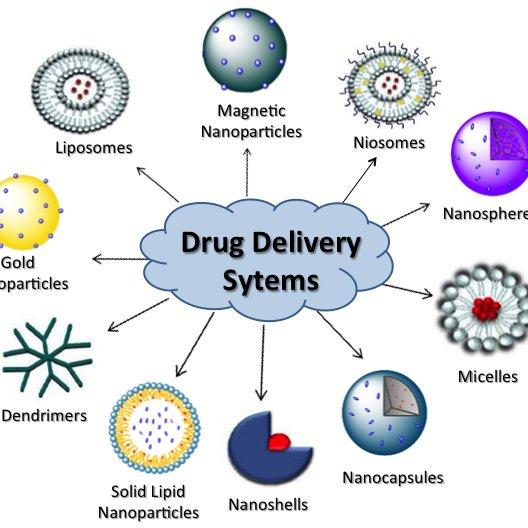
    Non-viral drug delivery systems encompass a diverse array of formulations and devices designed to transport therapeutic agents—such as peptides, proteins, nucleic acids, and small molecule drugs—across biological barriers without using viral vectors. These platforms include lipid nanoparticles, polymeric nanoparticles, liposomes, dendrimers, and micelles, offering advantages like reduced immunogenicity, enhanced stability, and controlled release profiles. The ability to fine-tune carrier size, surface charge, and targeting ligands enables improved bioavailability and targeted delivery to specific tissues or cells, mitigating off-target effects and enhancing treatment efficacy.

    Growing concerns over safety risks associated with viral vectors, such as insertional mutagenesis and host immune responses, have spurred interest in non-viral alternatives. Moreover, the surge in biologic therapeutics, including mRNA and siRNA-based treatments, has amplified the need for robust delivery platforms that can protect fragile molecules and ensure efficient cellular uptake. Continuous innovation in material science and nanotechnology has facilitated the design of biocompatible carriers capable of overcoming physiological barriers, boosting market opportunities for pharmaceutical and biotech companies. As personalized medicine gains tractionNon-Viral Drug Delivery Systems Market­­­ solutions are poised to play a pivotal role in next-generation therapies.

    The non-viral drug delivery systems market is estimated to be valued at USD 9.23 Bn in 2025 and is expected to reach USD 23.10 Bn by 2032, growing at a compound annual growth rate (CAGR) of 14.00% from 2025 to 2032.

    Key Takeaways

    Key players operating in the Non-Viral Drug Delivery Systems Market are:

    -Arcturus Therapeutics

    -Bio-Path Holdings

    -CureVac

    -Entos Pharmaceuticals

     -The RNA Immunotherapies

    These market players leverage their expertise in nanoparticle formulation, polymer chemistry, and nucleic acid therapeutics to expand their product portfolios. For instance, Arcturus Therapeutics’ lipid nanoparticle-based mRNA delivery platforms and CureVac’s proprietary mRNA technology highlight the convergence of drug delivery innovation with cutting-edge biologic pipelines. Bio-Path Holdings focuses on synthetic packaging vehicles for oligonucleotide therapies, while Entos Pharmaceuticals advances Fusogenix®, a liposomal system for gene editing. eTheRNA Immunotherapies specializes in RNA-based cancer vaccines, underscoring the critical role of non-viral carriers in oncology. The competitive landscape is shaped by ongoing collaborations, licensing agreements, and strategic acquisitions aimed at enhancing market share and streamlining market entry.

    Growing demand in the non-viral drug delivery systems market is driven by escalating research investments and robust market growth strategies adopted by pharmaceutical companies. A surge in chronic disease prevalence—ranging from cancer and genetic disorders to cardiovascular and metabolic conditions—has elevated the urgency for targeted, long-acting therapeutics. Market research underscores the importance of overcoming physiological barriers such as the blood-brain barrier and mucosal membranes, spurring development of innovative carriers that can navigate these challenges. Additionally, the advent of RNA-based vaccines during the COVID-19 pandemic validated lipid nanoparticle platforms, accelerating interest in non-viral vectors across multiple therapeutic segments. As healthcare stakeholders prioritize patient safety and cost-effective manufacturing, non-viral technologies offer scalable solutions with lower biosafety requirements than their viral counterparts. Market insights indicate that increased regulatory clarity and supportive policies on advanced therapy medicinal products (ATMPs) will further drive adoption and unlock new market opportunities.

    โ€ฃ Non-Viral Drug Delivery Systems Market: https://www.coherentmi.com/industry-reports/non-viral-drug-delivery-systems-market
    Non-Viral Drug Delivery Systems Market is driven by Rising Biologic Therapeutics Non-viral drug delivery systems encompass a diverse array of formulations and devices designed to transport therapeutic agents—such as peptides, proteins, nucleic acids, and small molecule drugs—across biological barriers without using viral vectors. These platforms include lipid nanoparticles, polymeric nanoparticles, liposomes, dendrimers, and micelles, offering advantages like reduced immunogenicity, enhanced stability, and controlled release profiles. The ability to fine-tune carrier size, surface charge, and targeting ligands enables improved bioavailability and targeted delivery to specific tissues or cells, mitigating off-target effects and enhancing treatment efficacy. Growing concerns over safety risks associated with viral vectors, such as insertional mutagenesis and host immune responses, have spurred interest in non-viral alternatives. Moreover, the surge in biologic therapeutics, including mRNA and siRNA-based treatments, has amplified the need for robust delivery platforms that can protect fragile molecules and ensure efficient cellular uptake. Continuous innovation in material science and nanotechnology has facilitated the design of biocompatible carriers capable of overcoming physiological barriers, boosting market opportunities for pharmaceutical and biotech companies. As personalized medicine gains tractionNon-Viral Drug Delivery Systems Market­­­ solutions are poised to play a pivotal role in next-generation therapies. The non-viral drug delivery systems market is estimated to be valued at USD 9.23 Bn in 2025 and is expected to reach USD 23.10 Bn by 2032, growing at a compound annual growth rate (CAGR) of 14.00% from 2025 to 2032. Key Takeaways Key players operating in the Non-Viral Drug Delivery Systems Market are: -Arcturus Therapeutics -Bio-Path Holdings -CureVac -Entos Pharmaceuticals  -The RNA Immunotherapies These market players leverage their expertise in nanoparticle formulation, polymer chemistry, and nucleic acid therapeutics to expand their product portfolios. For instance, Arcturus Therapeutics’ lipid nanoparticle-based mRNA delivery platforms and CureVac’s proprietary mRNA technology highlight the convergence of drug delivery innovation with cutting-edge biologic pipelines. Bio-Path Holdings focuses on synthetic packaging vehicles for oligonucleotide therapies, while Entos Pharmaceuticals advances Fusogenix®, a liposomal system for gene editing. eTheRNA Immunotherapies specializes in RNA-based cancer vaccines, underscoring the critical role of non-viral carriers in oncology. The competitive landscape is shaped by ongoing collaborations, licensing agreements, and strategic acquisitions aimed at enhancing market share and streamlining market entry. Growing demand in the non-viral drug delivery systems market is driven by escalating research investments and robust market growth strategies adopted by pharmaceutical companies. A surge in chronic disease prevalence—ranging from cancer and genetic disorders to cardiovascular and metabolic conditions—has elevated the urgency for targeted, long-acting therapeutics. Market research underscores the importance of overcoming physiological barriers such as the blood-brain barrier and mucosal membranes, spurring development of innovative carriers that can navigate these challenges. Additionally, the advent of RNA-based vaccines during the COVID-19 pandemic validated lipid nanoparticle platforms, accelerating interest in non-viral vectors across multiple therapeutic segments. As healthcare stakeholders prioritize patient safety and cost-effective manufacturing, non-viral technologies offer scalable solutions with lower biosafety requirements than their viral counterparts. Market insights indicate that increased regulatory clarity and supportive policies on advanced therapy medicinal products (ATMPs) will further drive adoption and unlock new market opportunities. โ€ฃ Non-Viral Drug Delivery Systems Market: https://www.coherentmi.com/industry-reports/non-viral-drug-delivery-systems-market
    0 Comments 0 Shares

No results to show

No results to show

No results to show

No results to show